Andrea Fanfani Brings Classic Italian Furniture Florence to 101domus
Andrea Fanfani Brings Classic Italian Furniture Florence to 101domus
A Florentine name built on carving and gilding has joined the 101domus platform. Founded in 1973 in Ginestra Fiorentina by carver and decorator Andrea Fanfani, trained in the historic workshops of San Frediano in Florence, the brand has spent five decades producing classic Italian furniture Florence collectors specifically seek out for its hand-worked detail. For architects, interior designers and private clients furnishing formal residences and heritage properties, Andrea Fanfani offers a direct line to a craft tradition that most of the industry has long since industrialised away.
Today the workshop is run by the founder's sons, Marco and Roberto, who have kept the original hand techniques intact while adding the tools and finishes a contemporary luxury market expects. That continuity across generations is precisely what gives the brand's furniture its particular authority: each piece is still carved and gilded by the same San Frediano lineage of craft knowledge that founded the company, rather than reproduced from a template by unrelated hands decades later. It is a distinction that becomes obvious the moment a designer compares an Andrea Fanfani piece with a mass-produced classical reproduction side by side: the depth of the carving, the way light sits differently across a hand-applied gilded surface, and the small irregularities that confirm no two pieces ever left the workshop quite identical.
The Guazzo Technique: Hand-Carving and Gold Leaf from the 14th Century
At the centre of Andrea Fanfani's work is guazzo, a decorating and gilding method dating back to fourteenth-century Florence, applied here to modern furniture-making with the same patience it once demanded from Renaissance workshops. Wood is hand-carved first, then prepared and finished with gold or silver leaf applied in careful, thin layers, a process that cannot be rushed or mechanised without losing the depth and warmth that define the finish. It is this technique, more than any single silhouette, that gives the brand's classic pieces their unmistakable presence.
That same craft base supports two distinct design languages under one roof. The Opera collection leans into baroque volume and ornate carving, aimed at clients furnishing a genuinely formal interior, while the Tornabuoni collection reinterprets the same hand-finishing in cleaner, more contemporary lines. For a designer specifying classic Italian furniture Florence is known for, having both registers available from a single atelier means a scheme can move between historic and current without changing craftsmen. It also means a single formal residence can mix an Opera piece as a statement anchor with quieter Tornabuoni furniture around it, without the transition ever feeling like two unrelated brands sharing a room.
Seating and Tables Finished by Hand
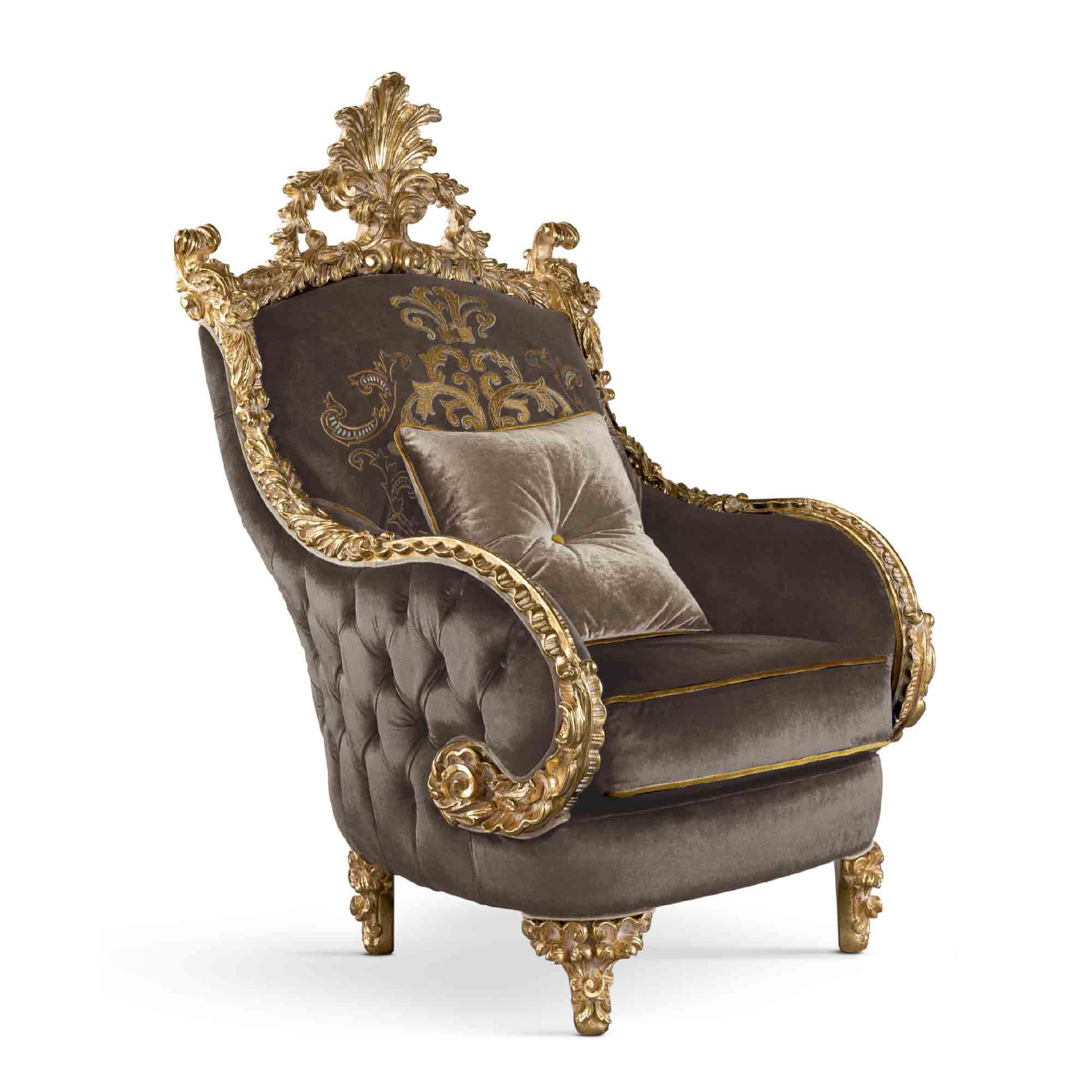
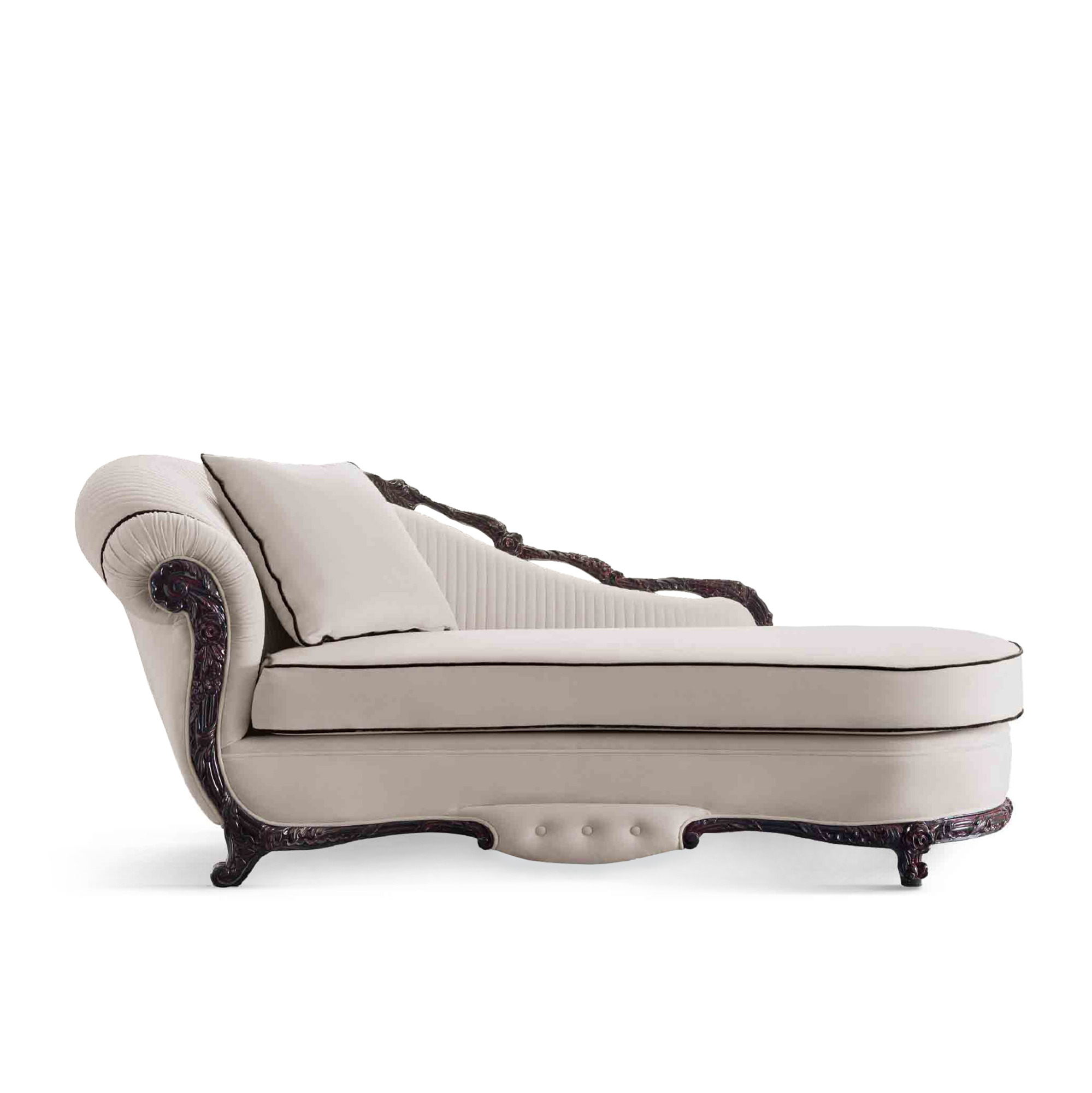
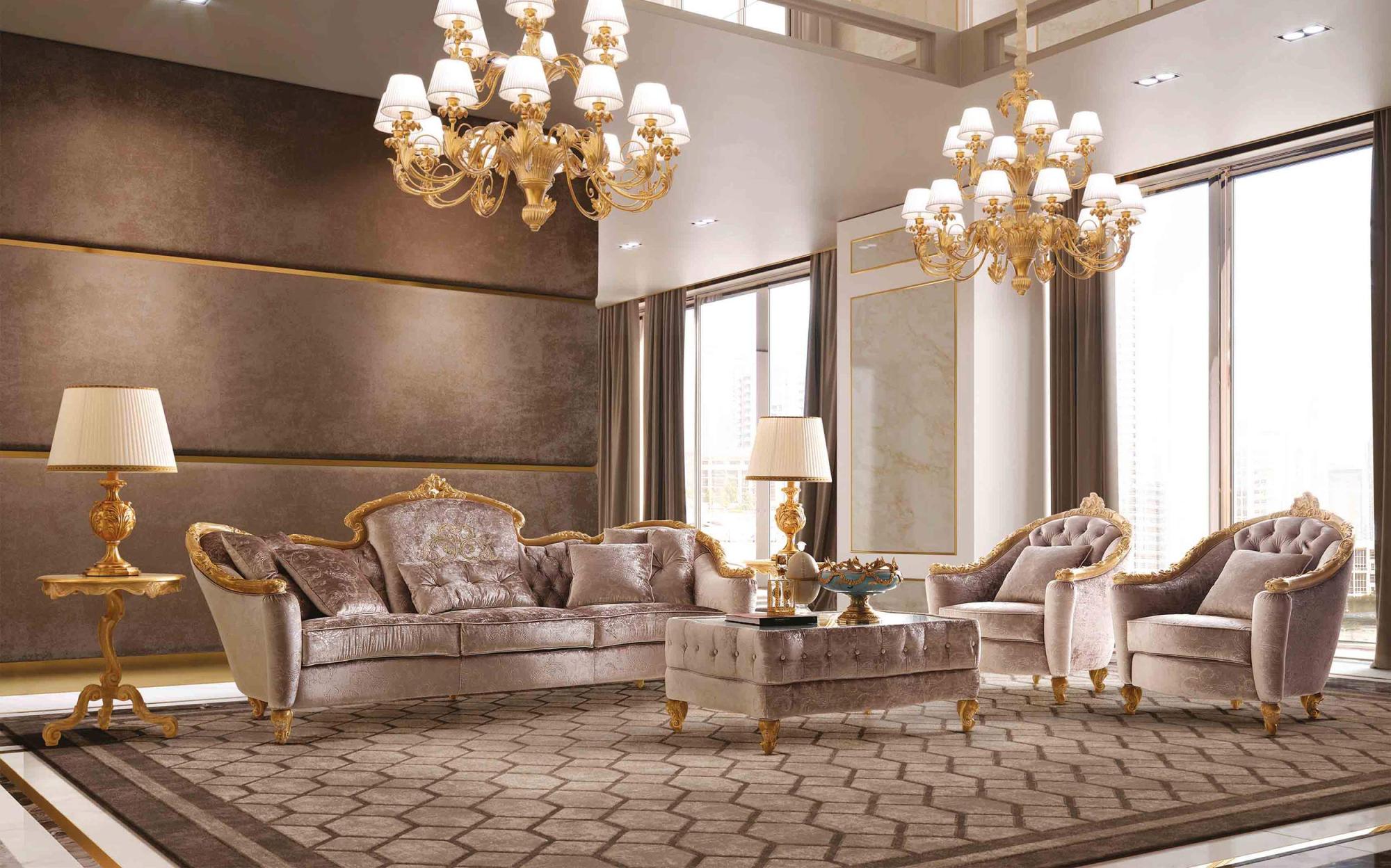
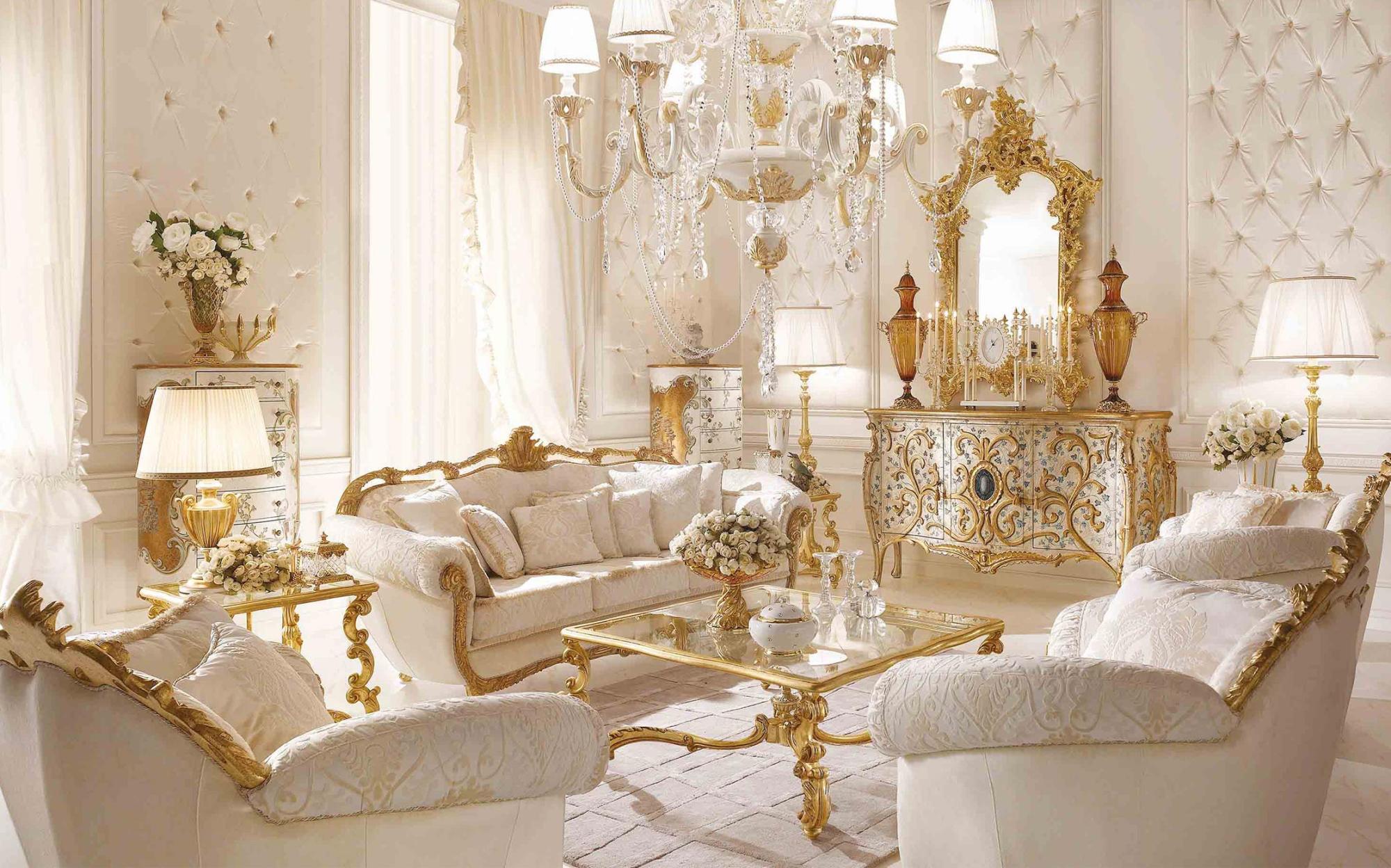
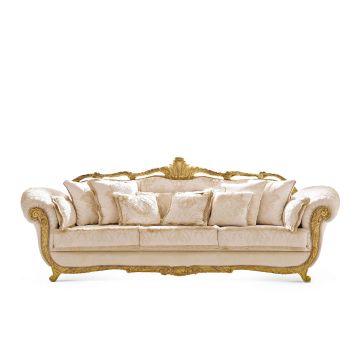
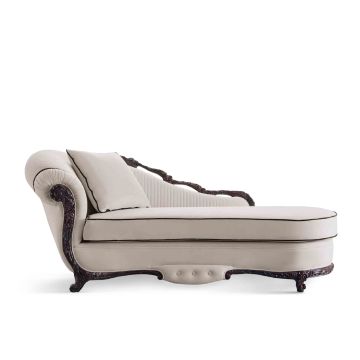
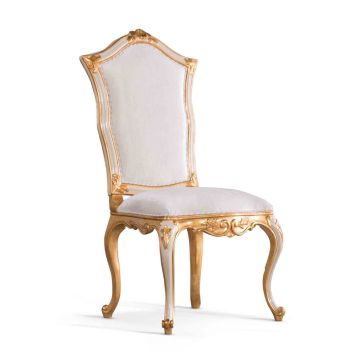
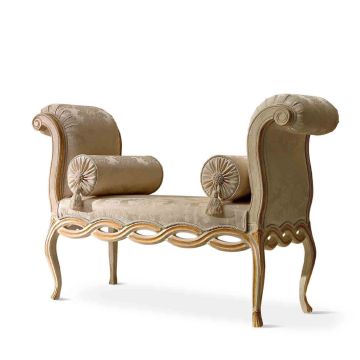
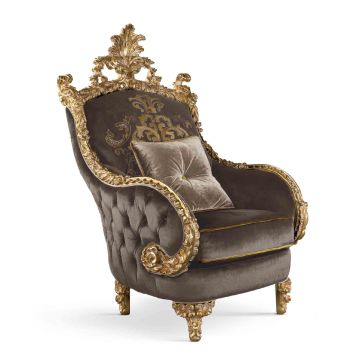
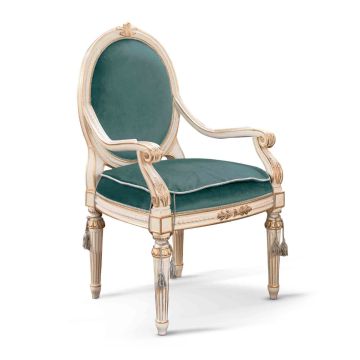
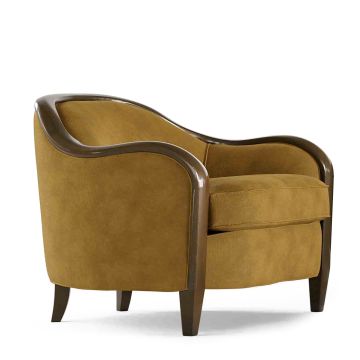
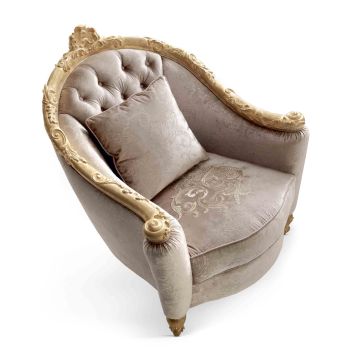
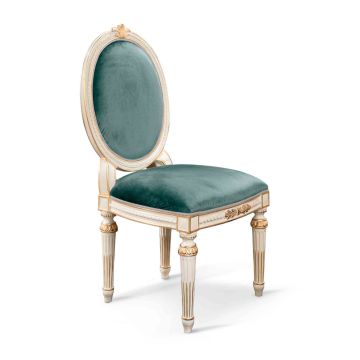
Andrea Fanfani's seating shows how carved detail can still read as comfortable rather than purely ceremonial. The Armchair 748 pairs a generously upholstered seat with hand-carved show wood along the frame, suited to a formal living room or a hotel suite built around considered, traditional seating. The Chaise Longue 743P takes the same language into a more relaxed register, its sweeping carved base giving a reading corner or a bedroom antechamber genuine presence.
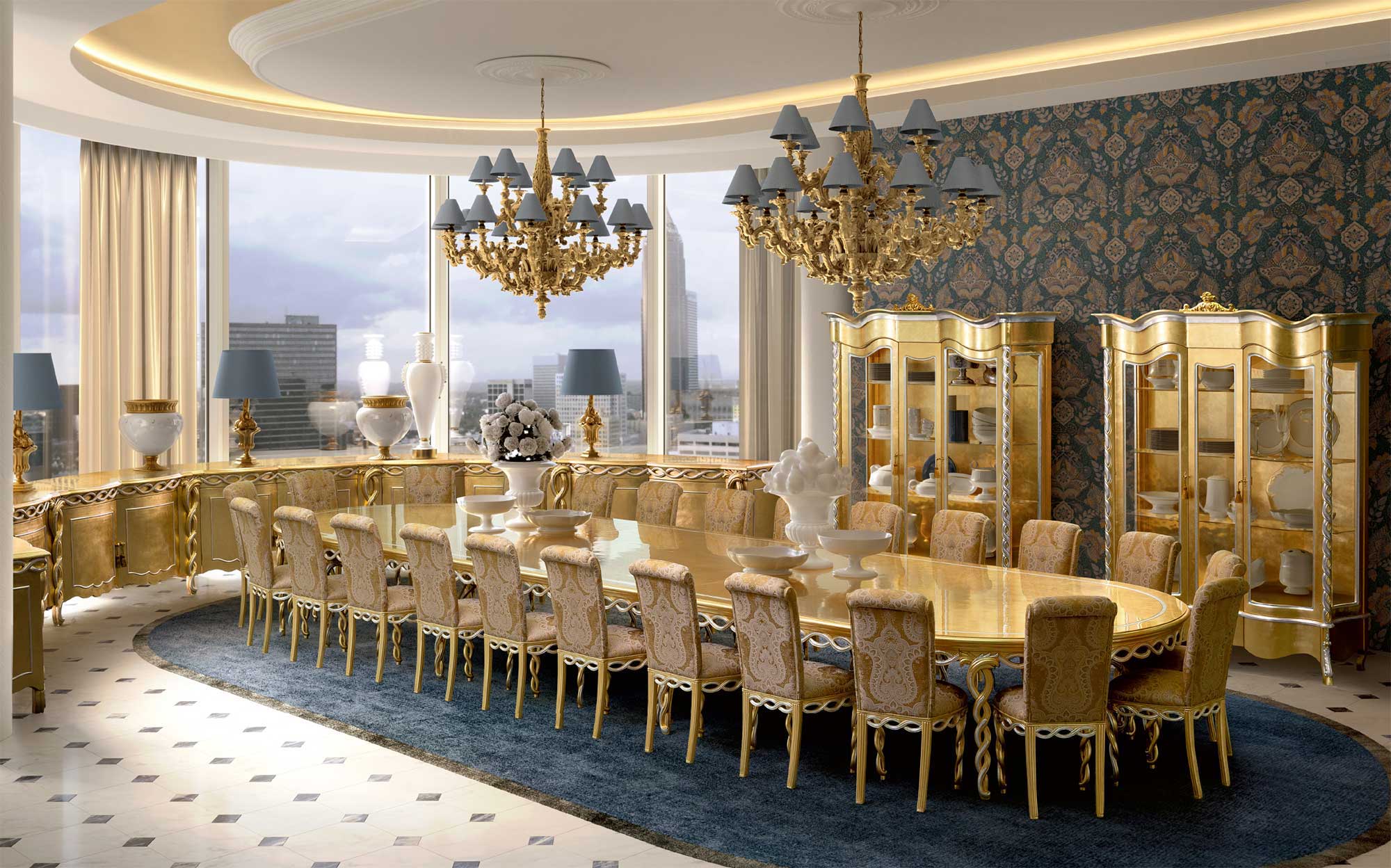
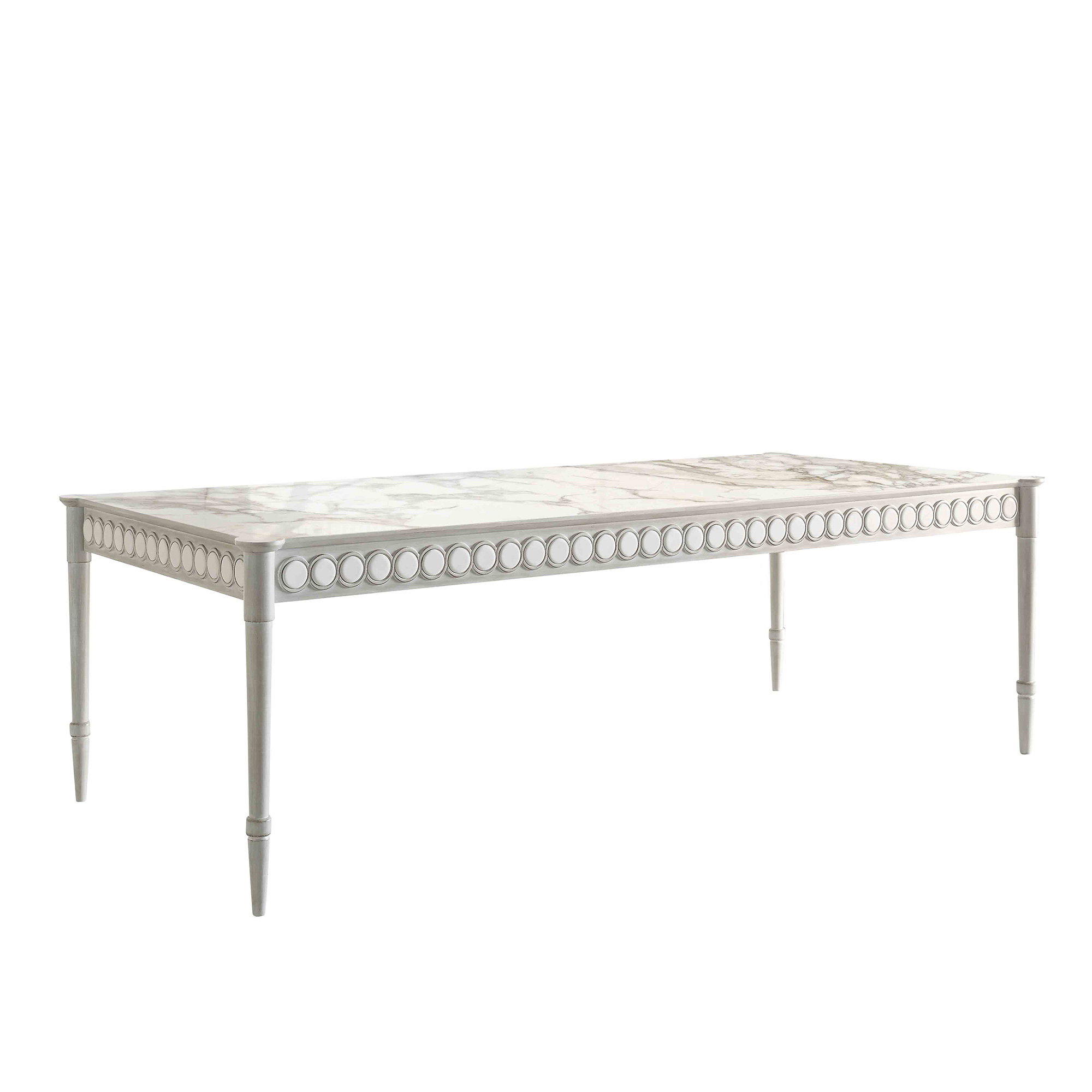
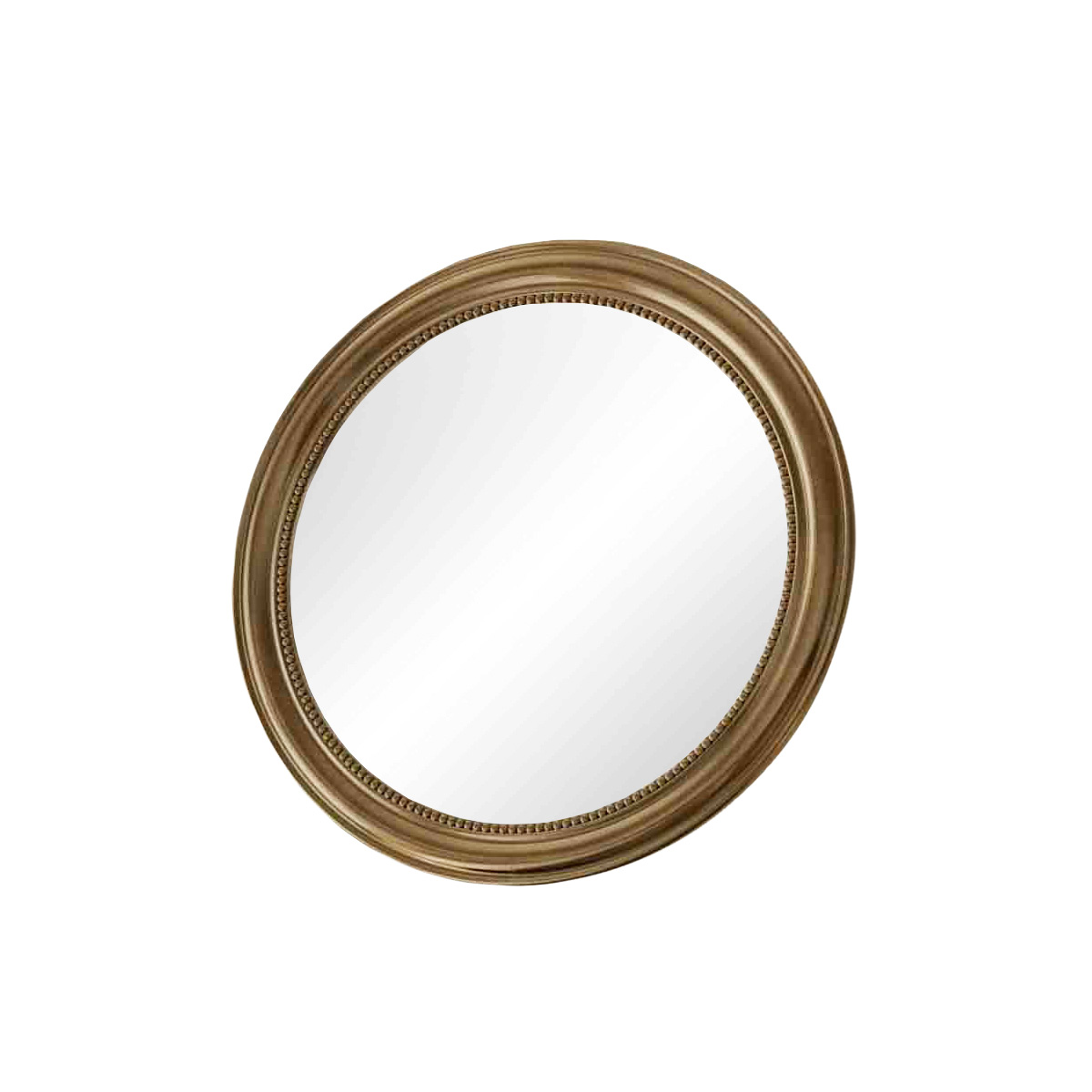
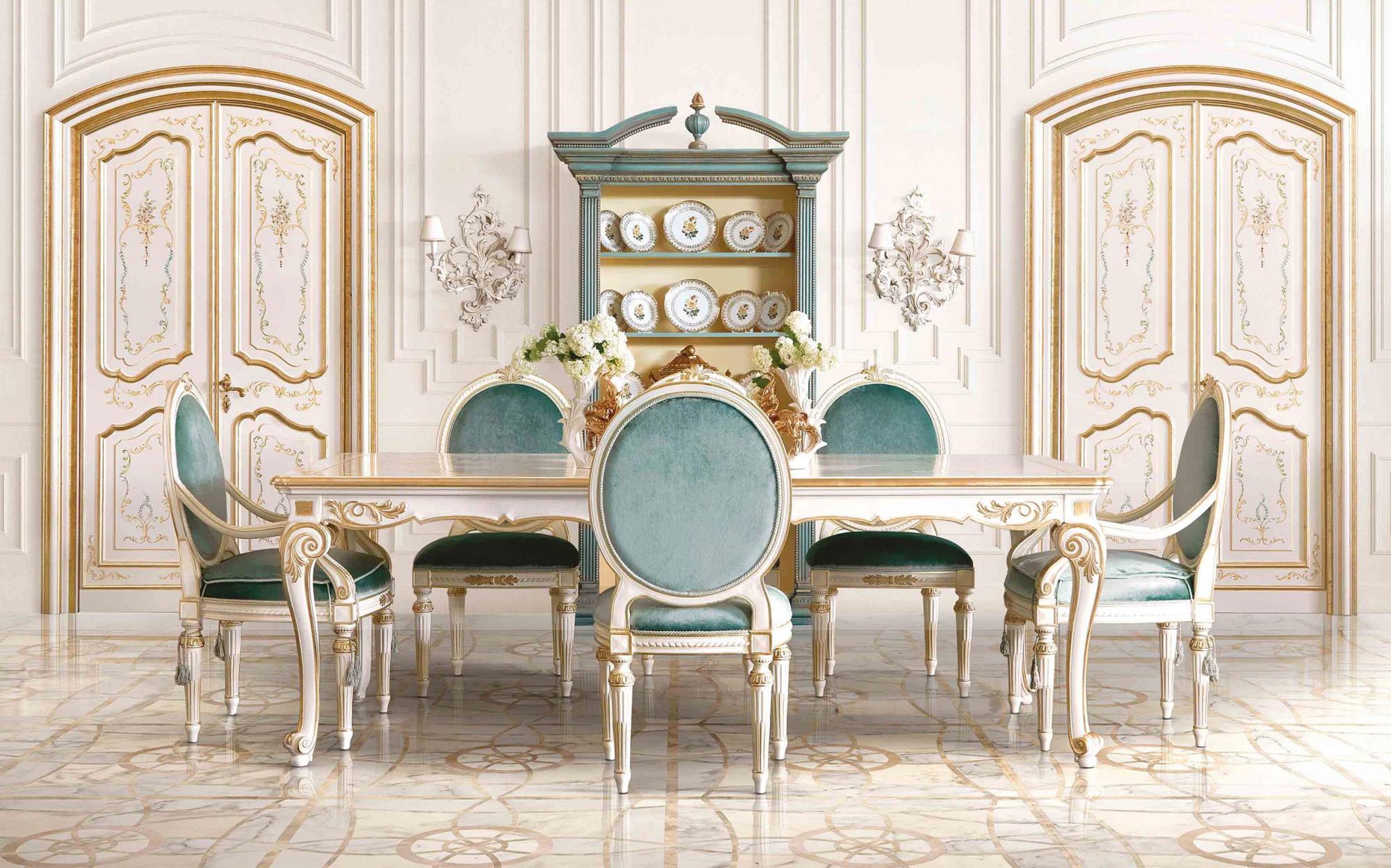
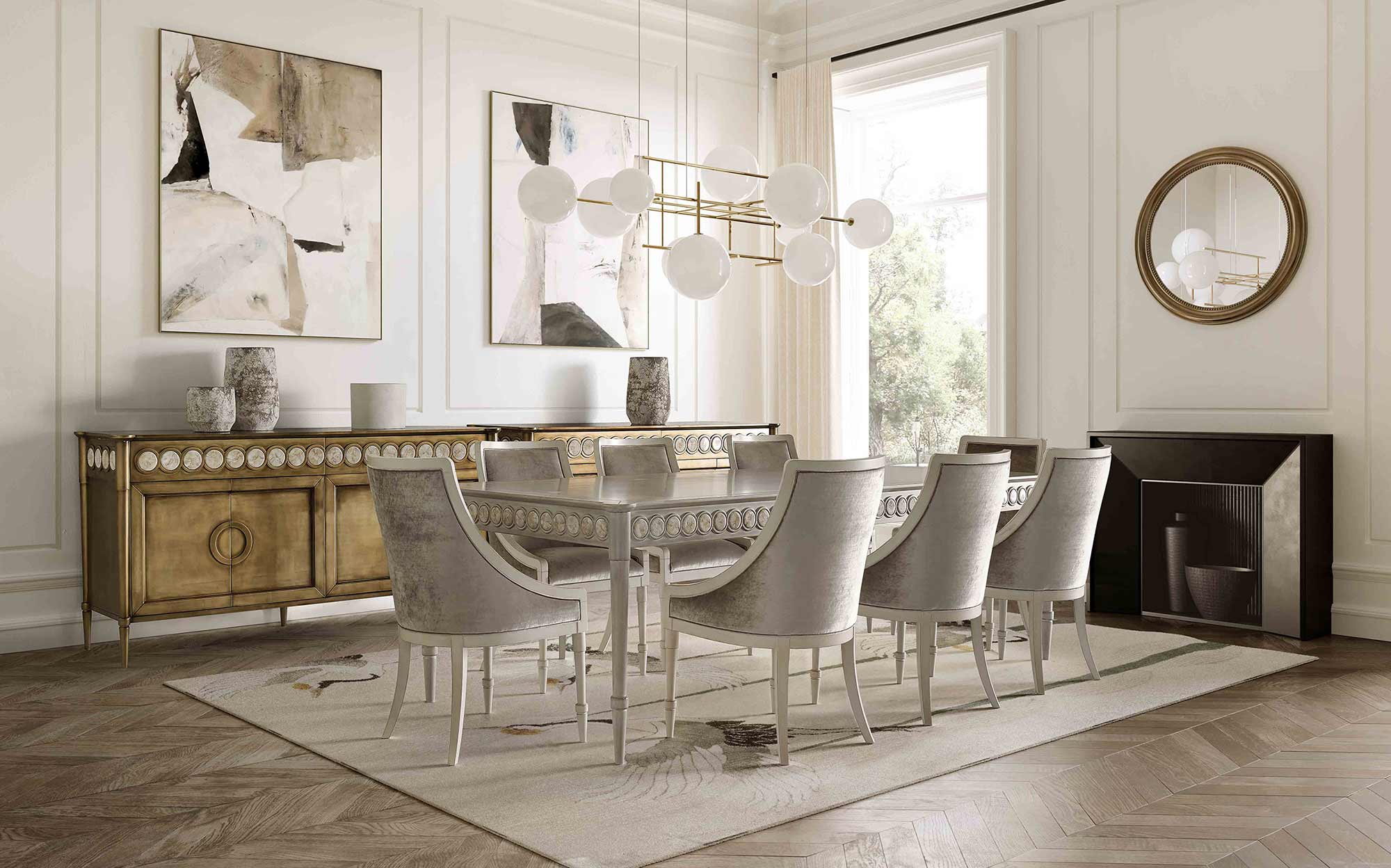
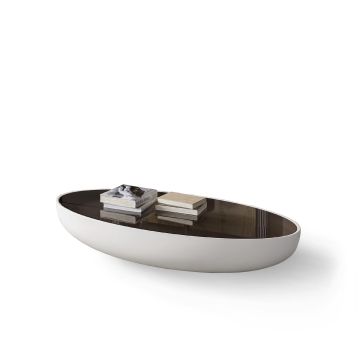
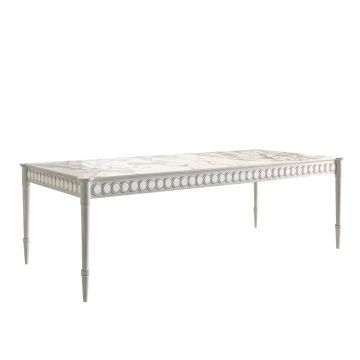
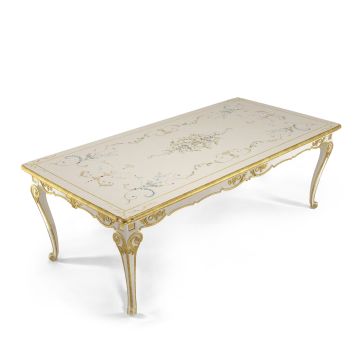
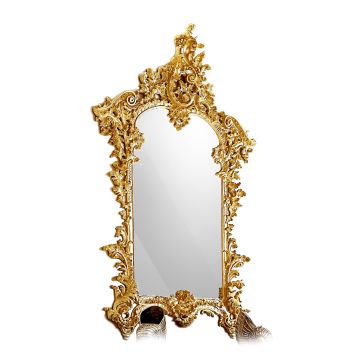
Tables and mirrors carry the guazzo finish into pieces that anchor a room rather than furnish it directly. The Table 6020 balances a carved wooden base with a refined top, built to hold its own at the centre of a formal dining room. The Mirror 1154 frames a carved and gilded surround around the glass itself, functioning less like a fitting and more like a piece of wall sculpture that happens to reflect the room back at its occupants.
The Bedroom as a Florentine Retreat
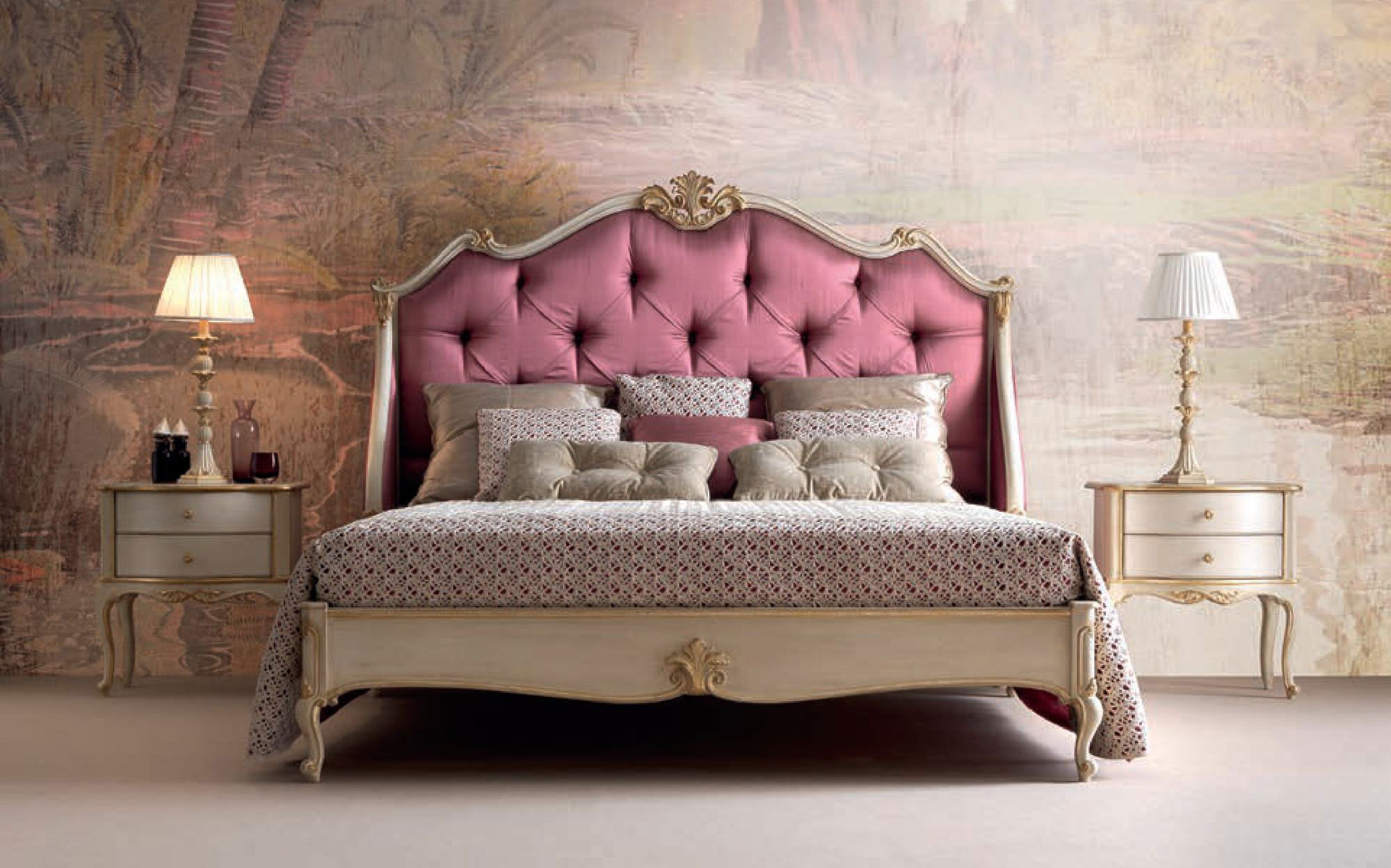
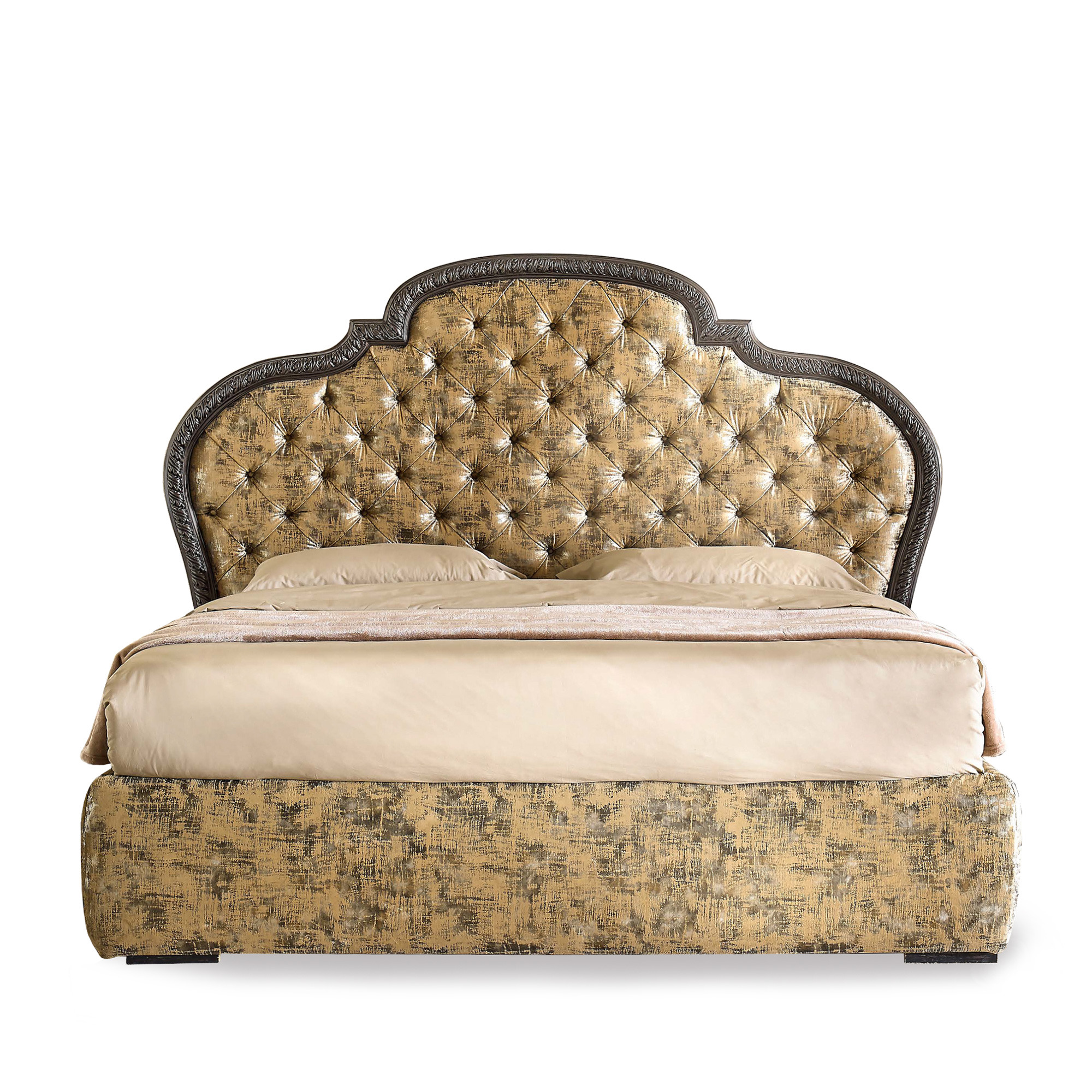
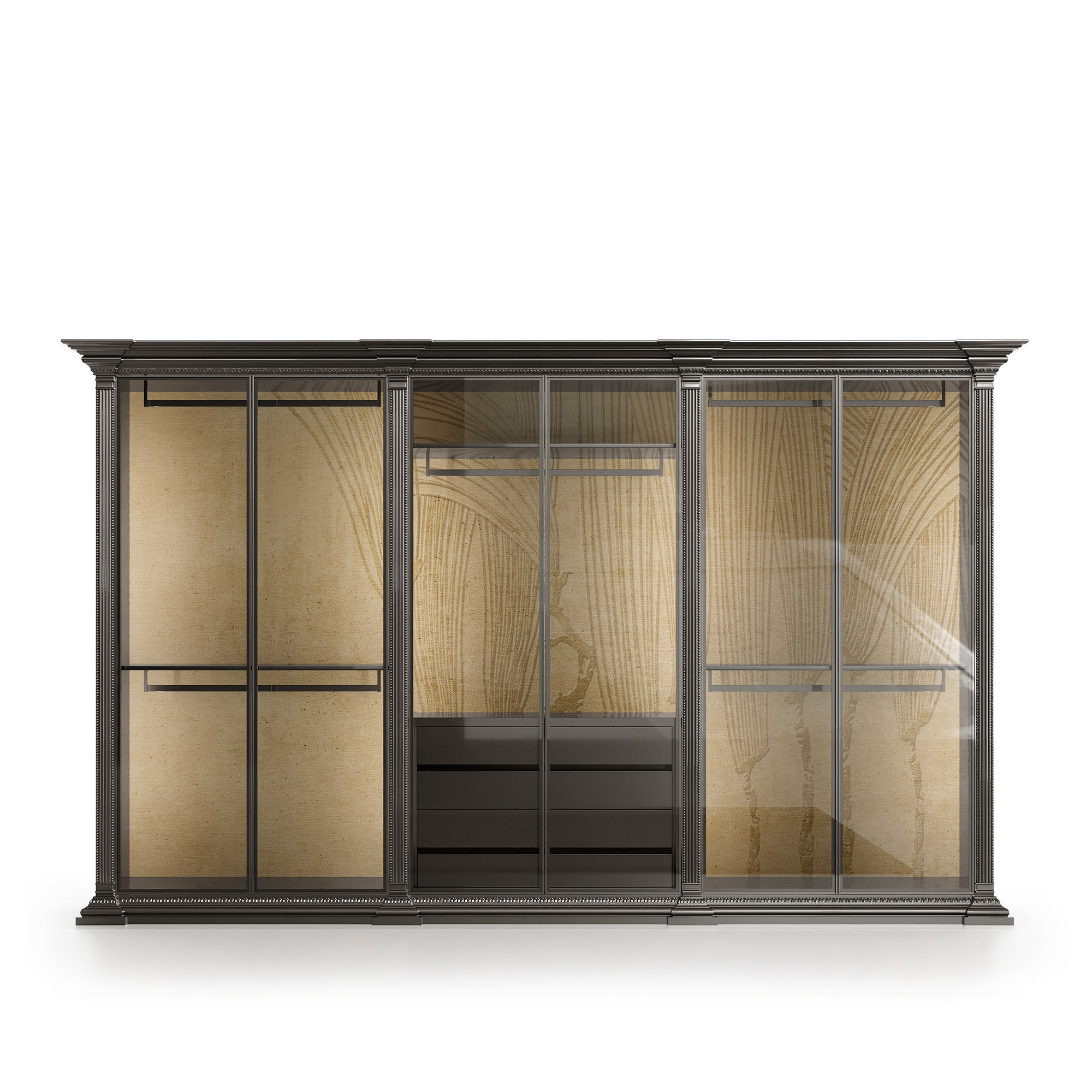
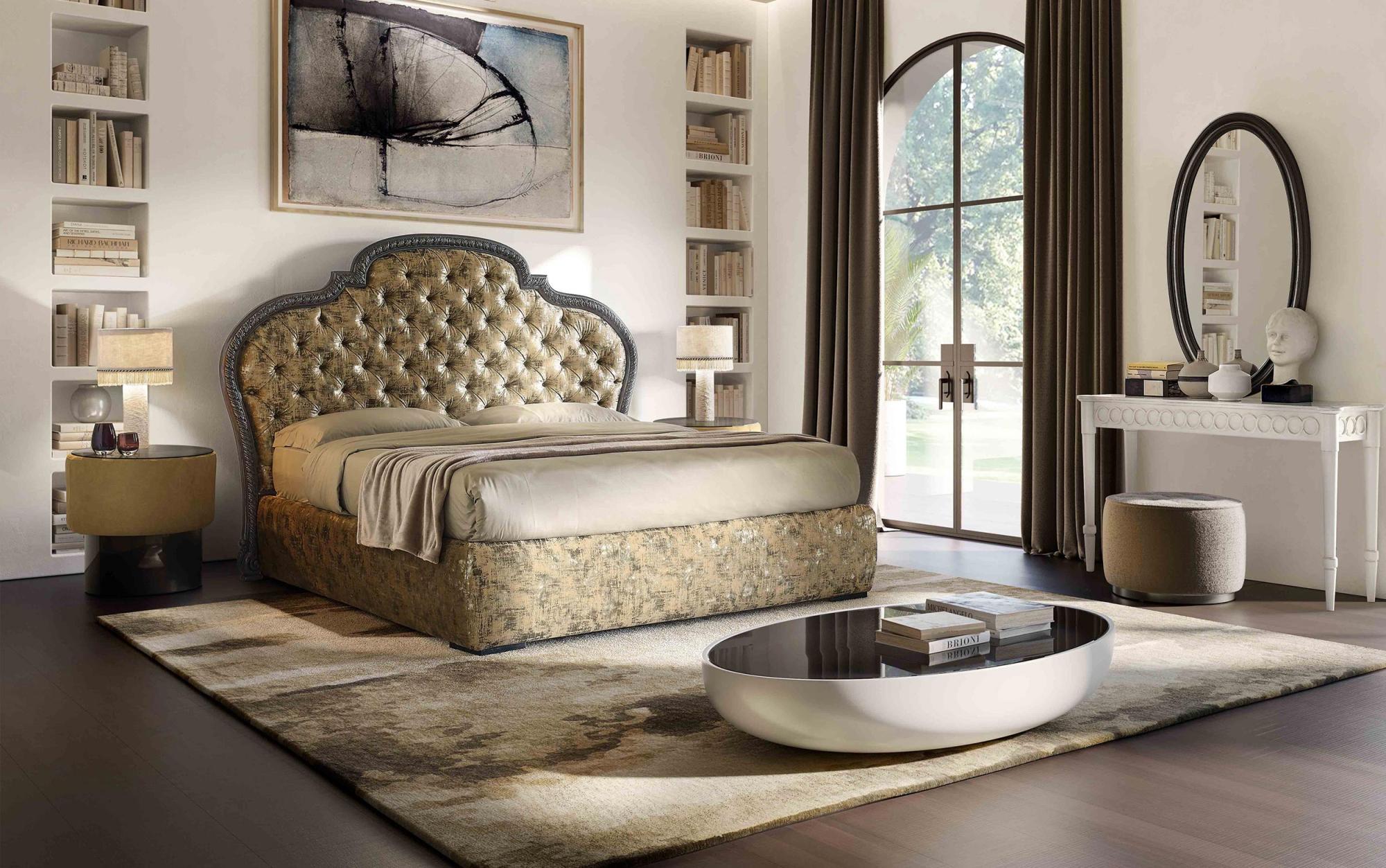
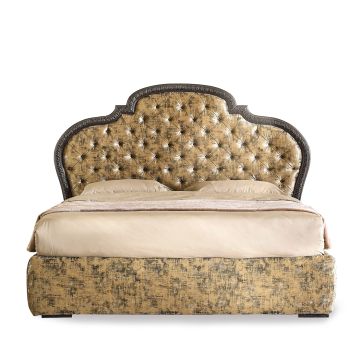
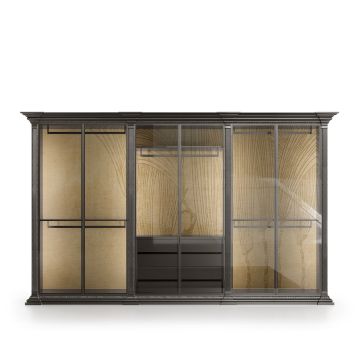
In the bedroom, Andrea Fanfani treats scale and craft as equally important. The Bed Sommier and Headboard 330S pairs a carved, upholstered headboard with a sommier base built to the same dimensions, giving a master suite an anchor piece that reads as furniture first and bed frame second. Alongside it, the Six-Door Wardrobe 2093-6 answers the practical need for genuine storage capacity in a large residence without abandoning the carved detailing that ties the room back to the rest of the scheme. Both pieces are built to the scale a genuinely large residence demands, rather than sized down to suit an average apartment bedroom, which is precisely why they tend to appear together in the same commission.
Why Classic Italian Furniture Florence by Andrea Fanfani Suits International Projects
Across seating, tables, mirrors and bedroom pieces, Andrea Fanfani's collections share one discipline: every surface is still carved and gilded by hand, using a technique the brand has protected across two generations rather than simplified for volume. That consistency matters on international projects where a single formal residence or heritage-style development may need dozens of coordinated pieces, each expected to hold the same level of finish regardless of which craftsman's hands actually shaped it.
For 101domus's network of architects, interior designers and procurement professionals furnishing formal interiors across the Gulf, Central Asia and Eastern Europe, Andrea Fanfani adds a genuinely rare capability: a living San Frediano workshop tradition, still run by the family that founded it, producing furniture built to be inherited rather than replaced.
EXPLORE 101DOMUS
NEWSROOM
BRAND RELATED ARTICLES