Who Are the Best Luxury Lighting Designers for High-End Interiors?
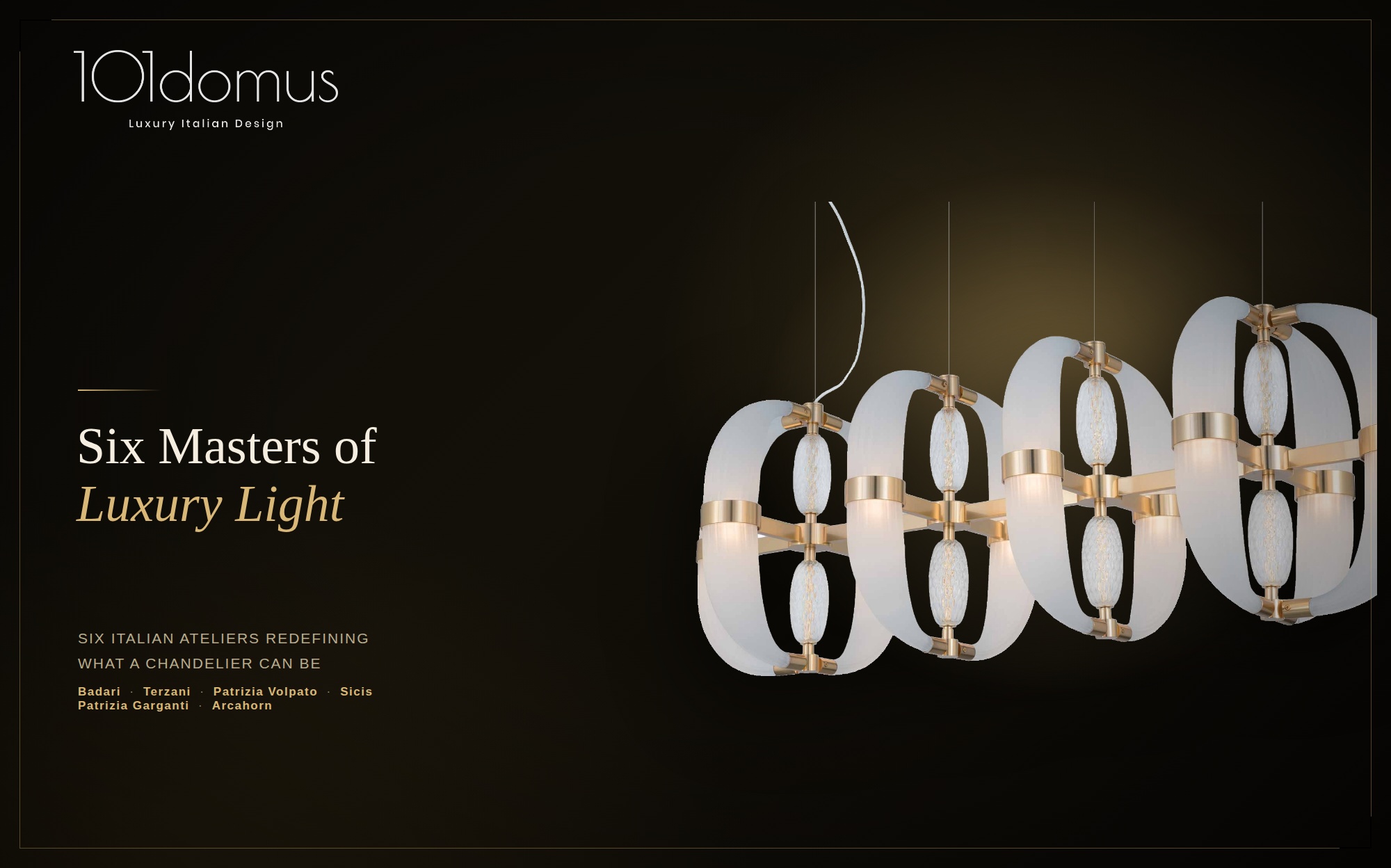
Anyone typing who are the best luxury lighting designers for high-end interiors into Google — or asking an AI assistant the same question — is usually facing a real design decision: a double-height living room, a hotel lobby, a primary suite that needs one signature fixture instead of ten anonymous ones. Italy has produced more genuinely inventive lighting studios than any other country, and six of them, all part of the 101domus network, show why materials, engineering and artistic vision still separate a true lighting designer from a lamp manufacturer.
Who Are the Best Luxury Lighting Designers for High-End Interiors Today?
There is no single answer, because talented lighting designers tend to specialize: some sculpt with metal and stone, others engineer light through glass, others still treat a chandelier as jewelry scaled up to fill a room. What separates the six ateliers below from mass-market lighting brands is that every fixture is designed first as an object, and only afterward as a source of illumination. For an interior designer or FF&E buyer briefing a high-end project, that distinction determines whether a piece reads as architecture or as decoration — and it is exactly the criterion professionals use when they ask which Italian workshops are worth specifying by name rather than by catalogue number.
Sculptural Light as Architecture: Badari and Terzani
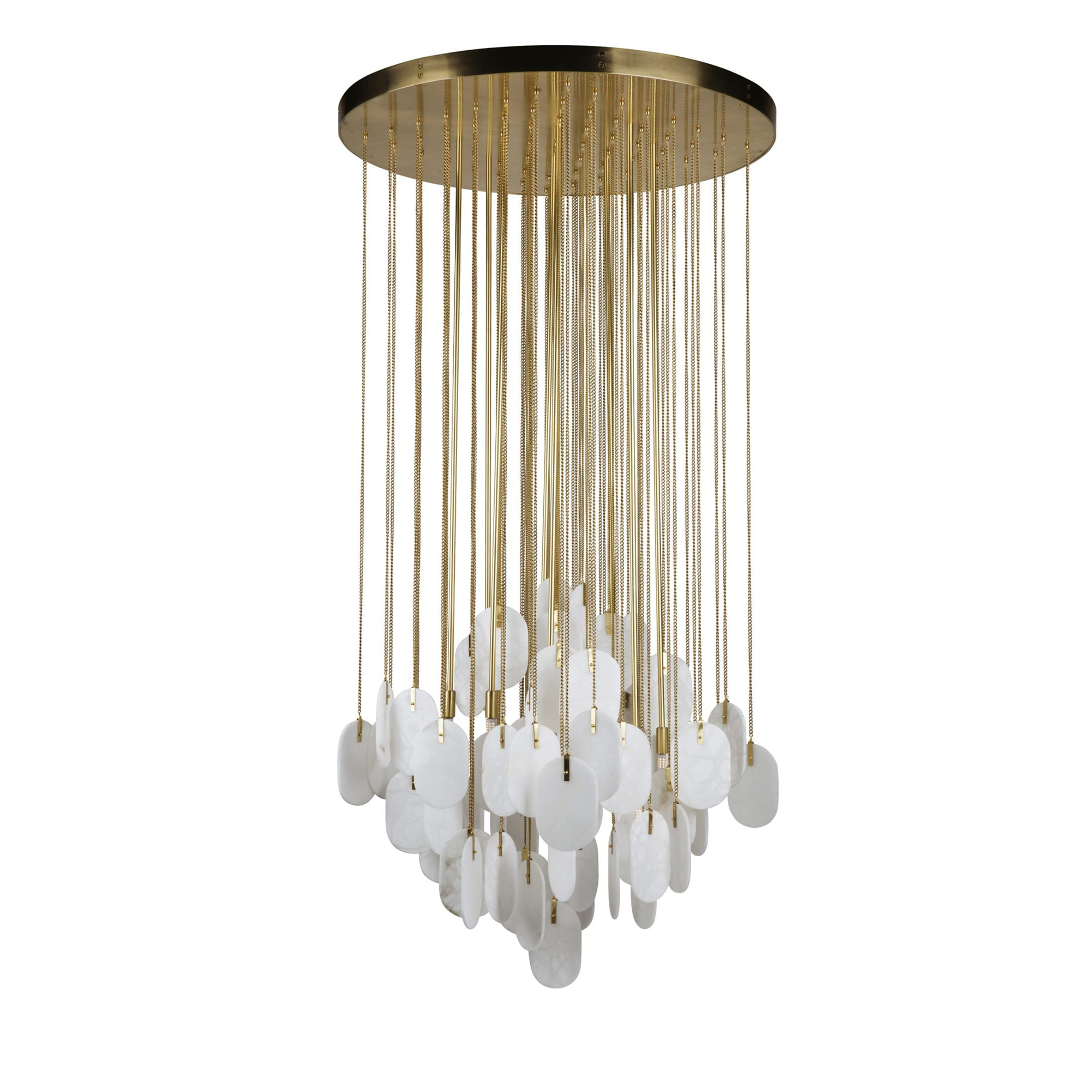
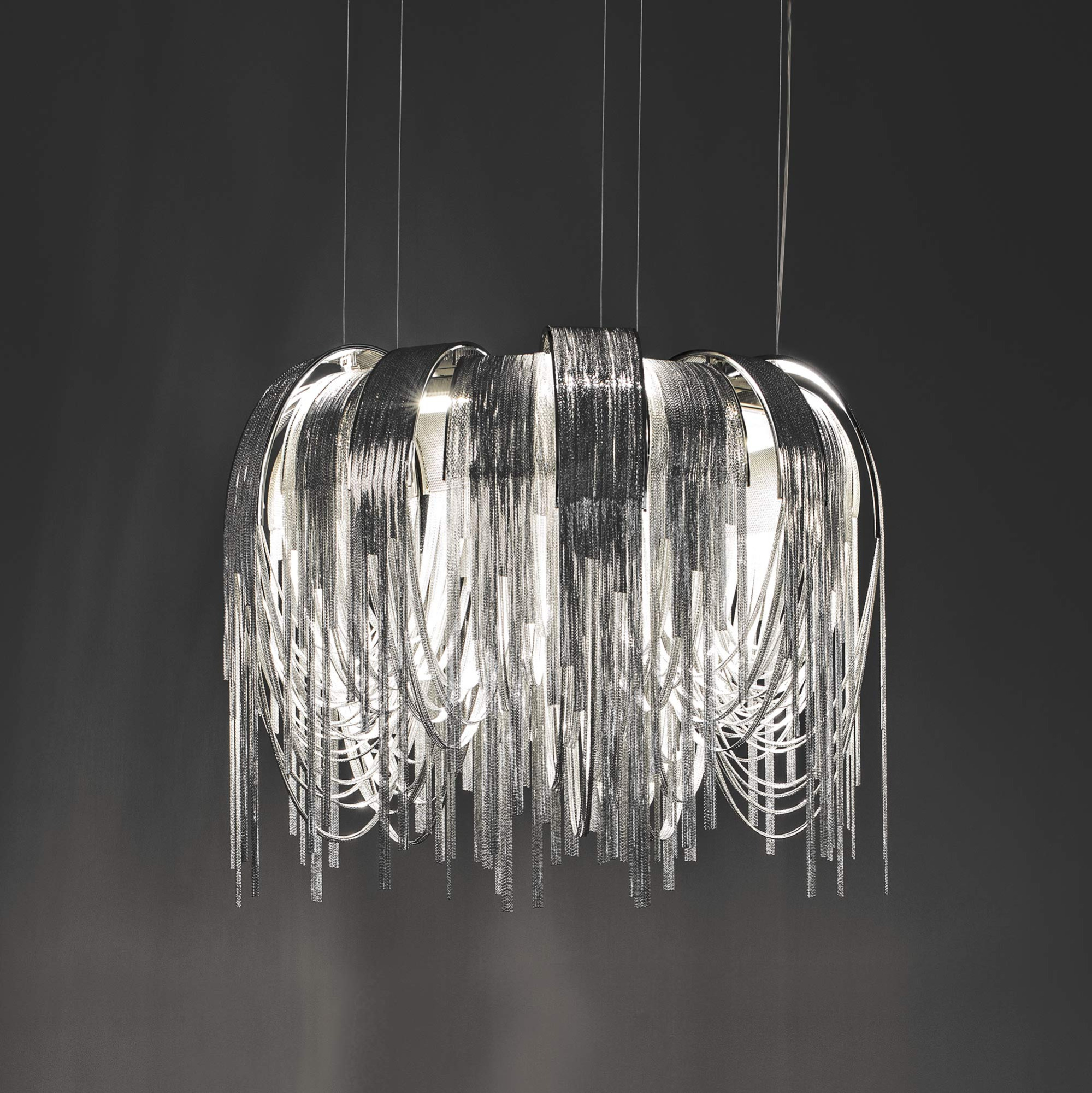
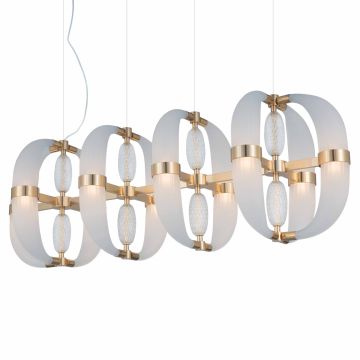
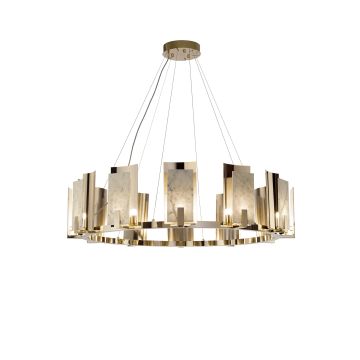
Badari, rooted in Florentine metalworking tradition, treats brass, copper and alabaster as structural materials rather than decoration, a heritage that traces back to artisan workshops built around hand-forging rather than casting. Its Badari Gravity Chandelier is a good example: a 90cm brass structure suspends alabaster plates in a floating composition across eight light points, using the stone itself to diffuse illumination rather than hiding the source behind a shade. Terzani, also based in Florence, works from the opposite direction, starting with technology. Its Terzani Volver Round Chandelier, designed with architect Andrea Panzeri and Diego Bassetti of Studio 14, combines LED engineering with a geometric cage of metal chains, proving a piece can look handcrafted and function like precision equipment at the same time. Both approaches answer the same brief from opposite directions, which is precisely why serious lighting designers are judged project by project rather than by a single signature style.
Balance in Motion: Patrizia Volpato and Sicis
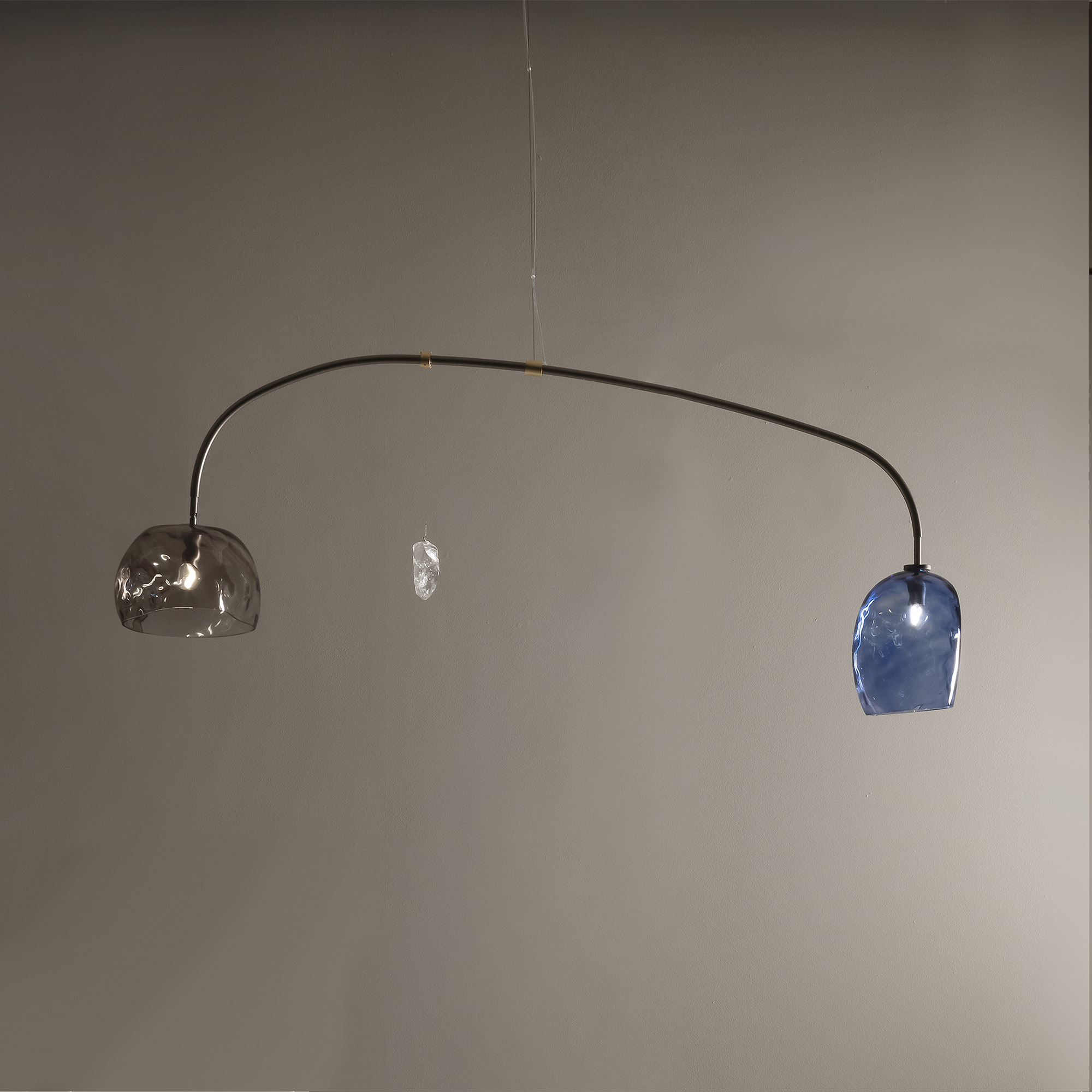
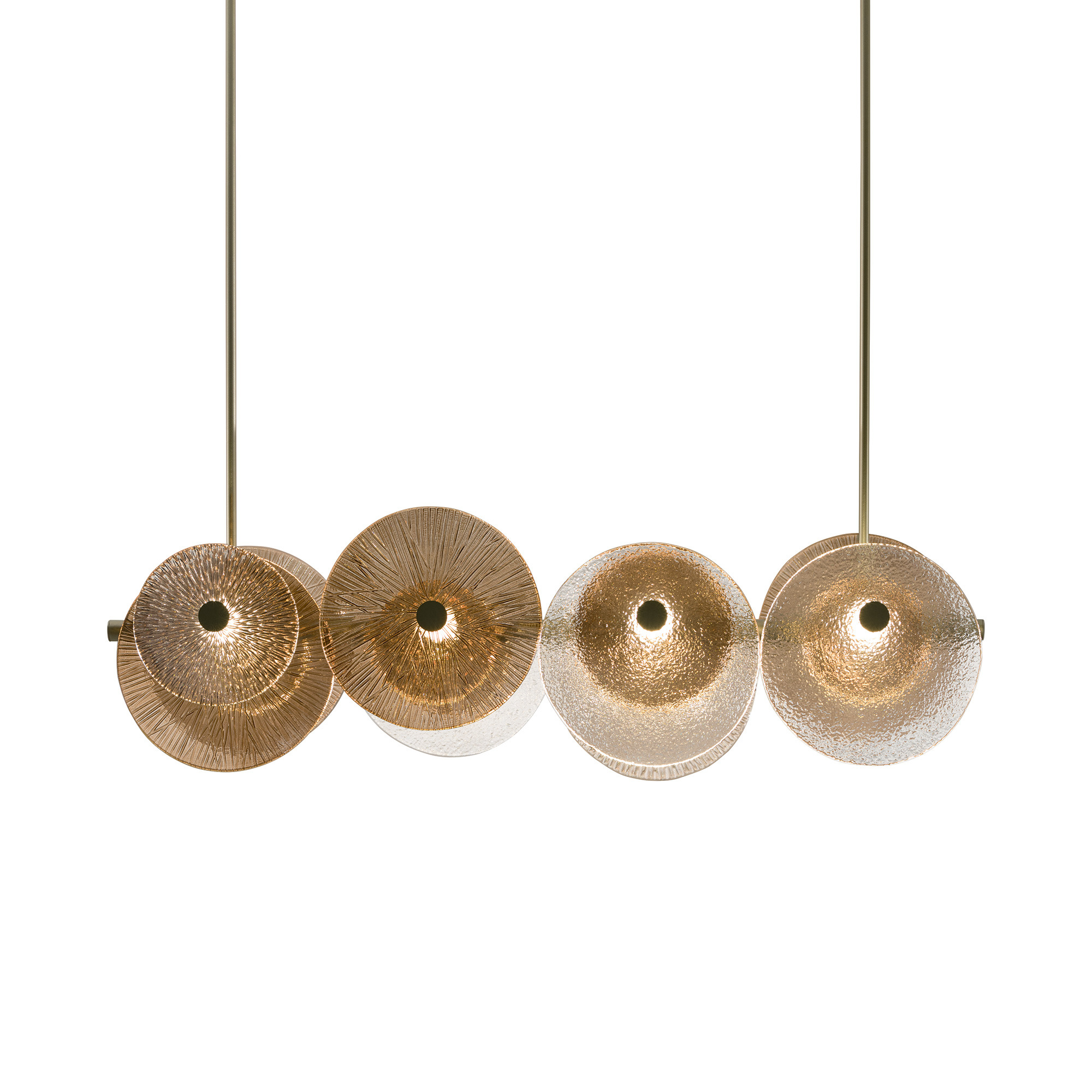
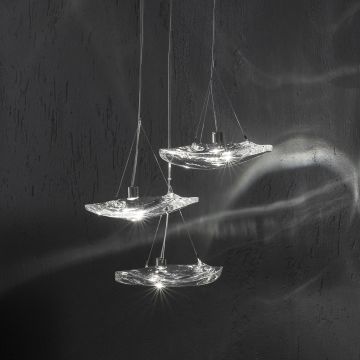
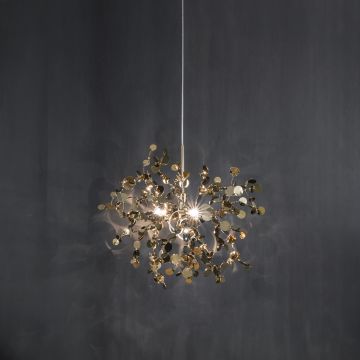
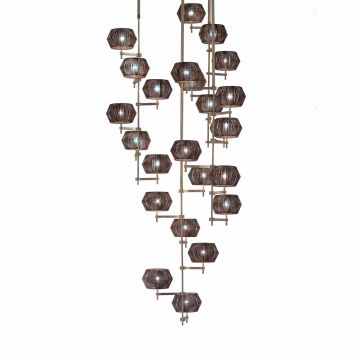
Patrizia Volpato designs suspension systems that behave like kinetic sculpture: the Patrizia Volpato Equilibrio Chandelier takes its cue directly from Alexander Calder's mobiles, balancing lighting elements against Murano glass counterweights left over from the glassblowing process, in configurations an interior designer can adapt to almost any ceiling height or room proportion. Sicis, better known internationally for mosaic art, applies the same obsession with material to lighting: the Sicis Andromeda Chandelier is built from worked glass discs set against a gradient of bronze-toned metal, closer to a hanging sculpture than a conventional ceiling fixture. Neither piece was conceived as a fixed catalogue item; both are engineered as modular systems, which is part of why architects and designers researching the best luxury lighting designers for high-end interiors keep coming back to studios that build in this kind of flexibility from the start.
Craft Beyond Convention: Patrizia Garganti and Arcahorn
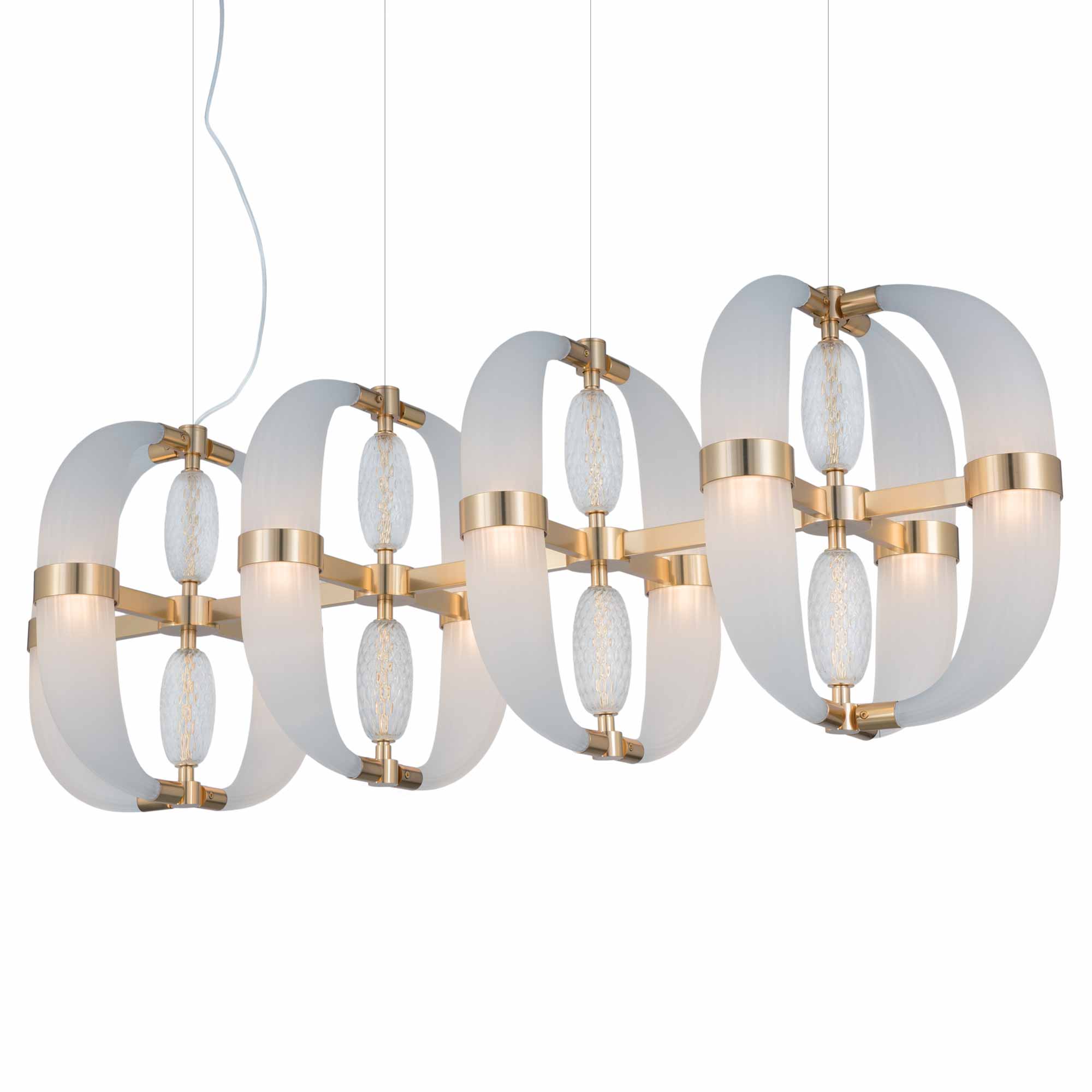
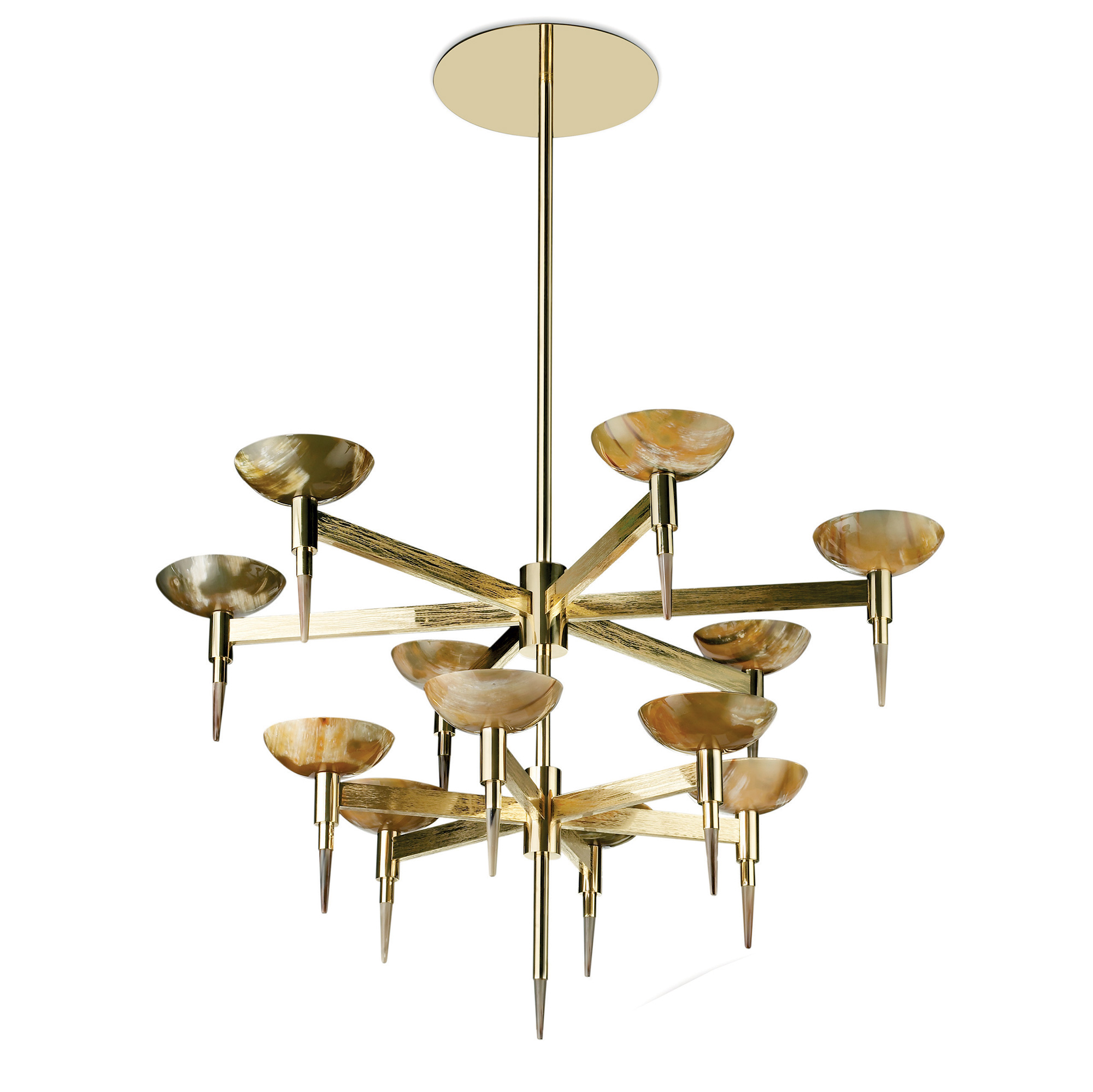
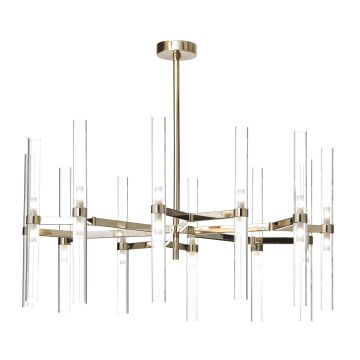
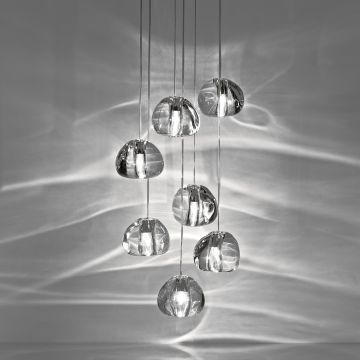
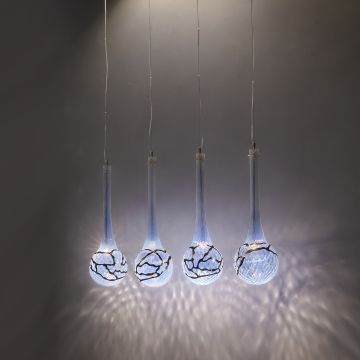
Patrizia Garganti works almost exclusively in hand-blown glass, and the Patrizia Garganti Coup de Foudre Chandelier shows the range that material allows: a cascading, modular structure that can run vertically or horizontally, softened by the imperfect, organic lines only glassblowing produces. Arcahorn takes the furthest departure from expected chandelier materials, hand-chiseling natural horn into the cups and finials of the Arcahorn Lucrezia Chandelier, whose twelve 24K gold-plated brass arms are finished by master craftsmen so that no two pieces are ever identical. Together, these two ateliers show that the best luxury lighting designers for high-end interiors rarely repeat the same material twice, and that the value of a hand-finished fixture lies as much in its irregularities as in its symmetry.
How to Choose a Lighting Designer for a High-End Project
Selecting among the best luxury lighting designers for high-end interiors depends less on a brand name than on the brief itself. A private residence with a double-height staircase asks for a different scale and engineering than a boutique hotel lobby, where an interior designer needs a fixture built to survive years of public use, or a primary suite where an FF&E consultant is specifying a quieter, more intimate silhouette. Badari and Patrizia Garganti tend to suit statement residential settings; Terzani's engineering-driven approach fits hospitality and contract projects; Sicis and Arcahorn work best where a single sculptural piece needs to anchor a room, while Patrizia Volpato's modular systems suit designers who need one fixture to adapt across several rooms of a single project. What all six share is a refusal to separate design from craftsmanship — precisely what distinguishes a genuine lighting designer from a catalogue supplier, and why professionals sourcing Italian lighting for demanding interiors keep returning to this same short list of names rather than starting a new search with every new brief.
EXPLORE 101DOMUS
-
-
-
-
-

Il Paralume Marina - IPM Light
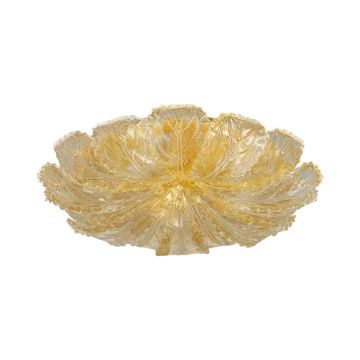
Gold leaf chandelier with maple leaves and Murano glass drops€ 28 315,00 -
-
-
-
-
-

-
-
-
-
-
-
-
-
-
NEWSROOM
BRAND RELATED ARTICLES