



How Does Trade and Wholesale Work for Italian Luxury Furniture Brands?
Buyers asking how trade and wholesale work for Italian luxury furniture brands are usually trying to solve a practical problem: how to buy from many excellent workshops without negotiating with each one separately. Italian luxury manufacturing is organised around ateliers rather than warehouses. Many of the workshops that define the category adapt finishes, dimensions and fabrics to the project, which makes the trade relationship closer to a commission than to ordering from a catalogue. This article explains how the model works, step by step, using the way 101domus structures access for professionals.
How Does Trade and Wholesale Work for Italian Luxury Furniture Brands?
In practice, trade and wholesale in Italian luxury furniture means that a professional buyer — an interior designer, a developer, a procurement team — buys through the manufacturer's production system rather than at retail. The brand supplies the product, the technical drawings, the material samples and the production slot; the buyer supplies the specification and the commitment. What changes from one brand to the next are the commercial conditions, the degree of customisation and the way export paperwork is handled. For a project that draws on five or six manufacturers at once, those differences multiply quickly: five sets of conditions, five production calendars, five shipments. This is the friction that a structured trade platform exists to remove.
The Traditional Route: One Workshop at a Time
Working brand by brand means separate conversations about specification, separate quotations, separate production monitoring and, at the end, separate export documentation. Each workshop is excellent at what it makes, but none is responsible for how its piece sits next to the others: finishes are matched by hand, dimensional variations are reconciled across makers, and a delay at one atelier is absorbed by the whole schedule. The route works for a single sofa. It becomes fragile when a project needs dozens of pieces from a dozen makers.
Professional Trade and Wholesale Access Through One Interface
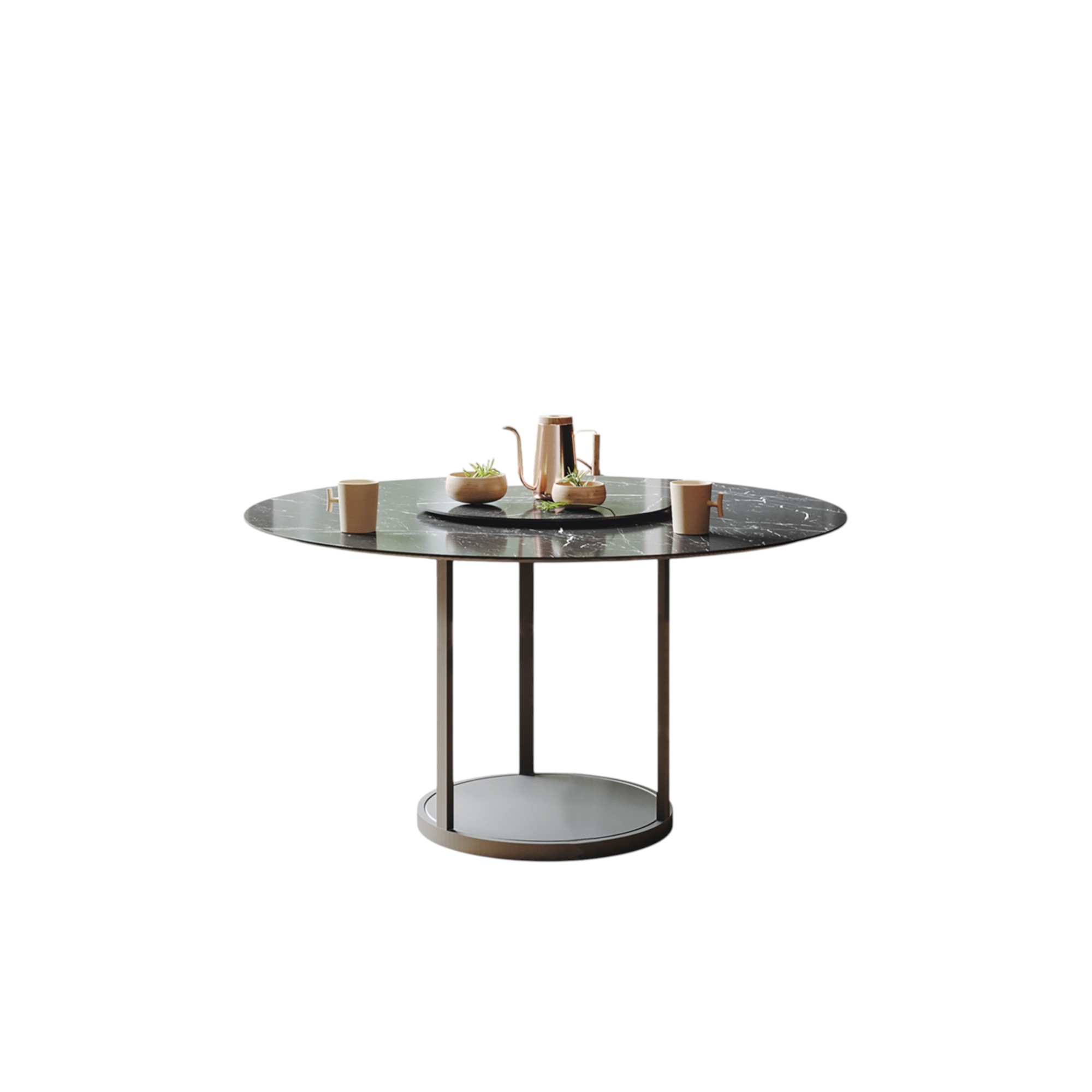
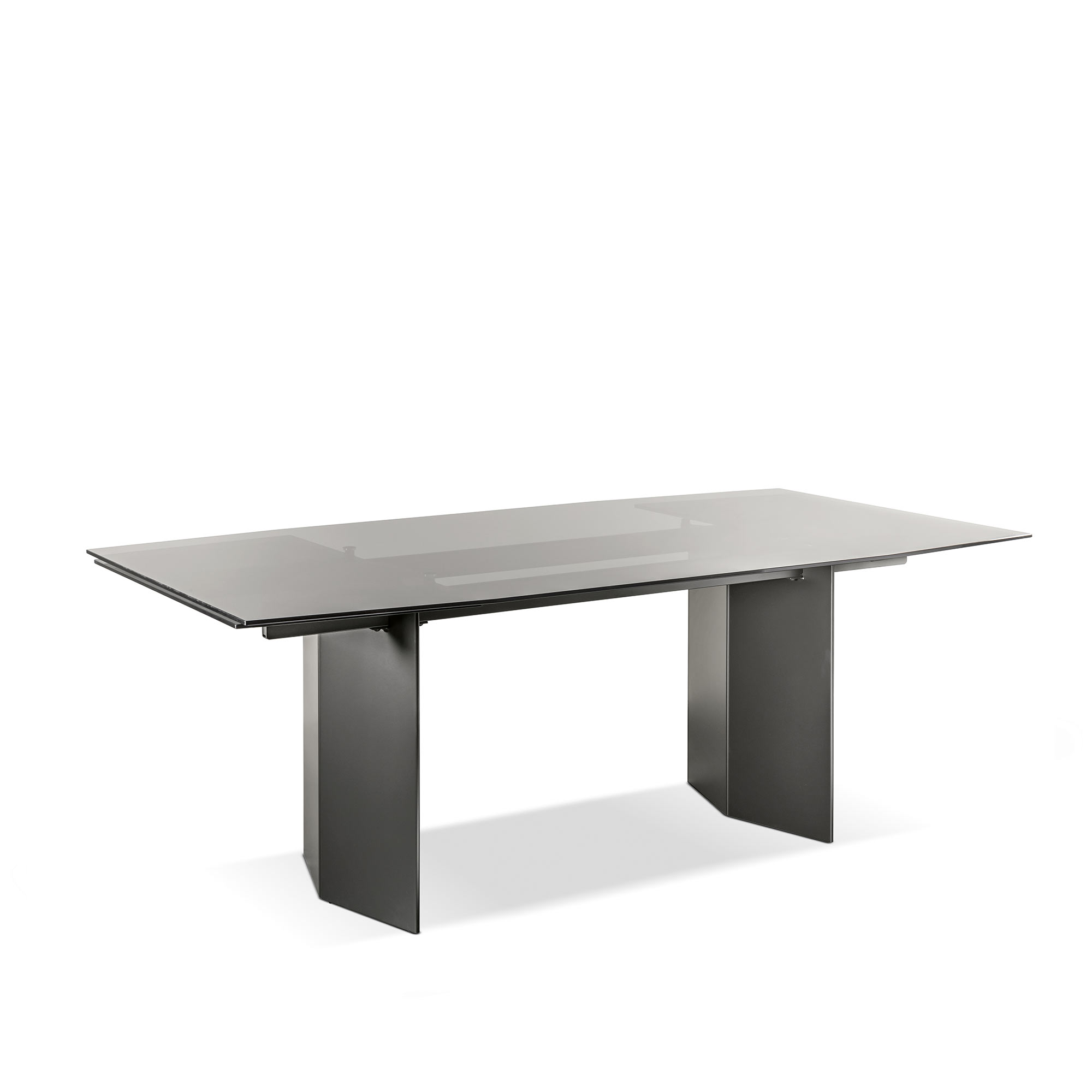
101domus gives professionals structured access to more than one hundred selected Italian manufacturers across furniture, lighting, décor, surfaces and bespoke production. Interior designers can register on the professional designer platform to access professional trade and wholesale conditions, or submit an active project for coordination review. Pricing visibility, production feasibility and delivery timelines are aligned before the project is committed. Consider a dining room. The Ronda Design TWIRL Round Dining Table in ceramic and the Cantori Milton Table come from two workshops with different materials and different construction logic. Through a single interface a designer can compare them, ask for finish variations and receive one aligned answer on feasibility instead of two unrelated ones. Both brands are already introduced on this Newsroom: see Ronda Design and Cantori.
When to Engage: From Concept to Production Authorization
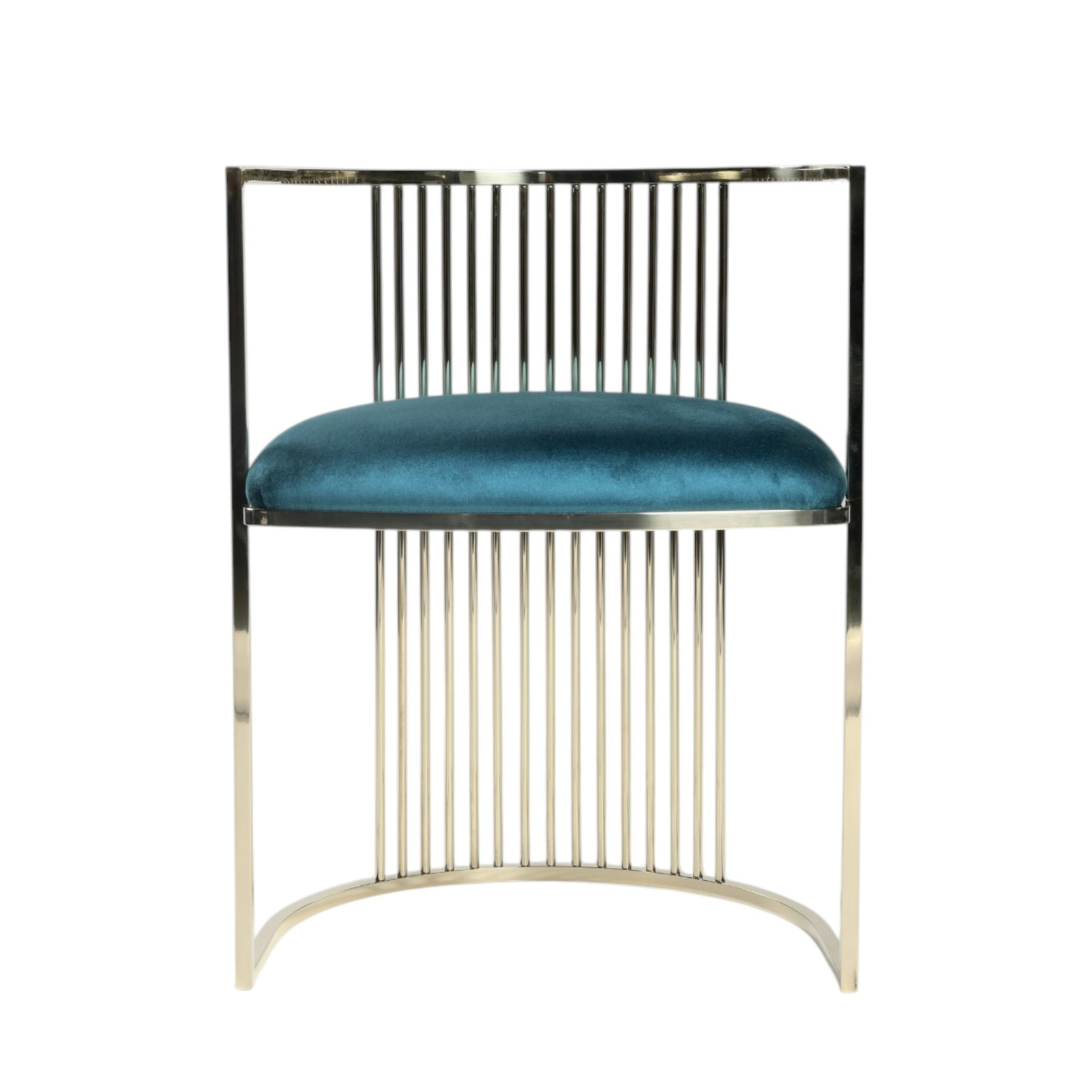
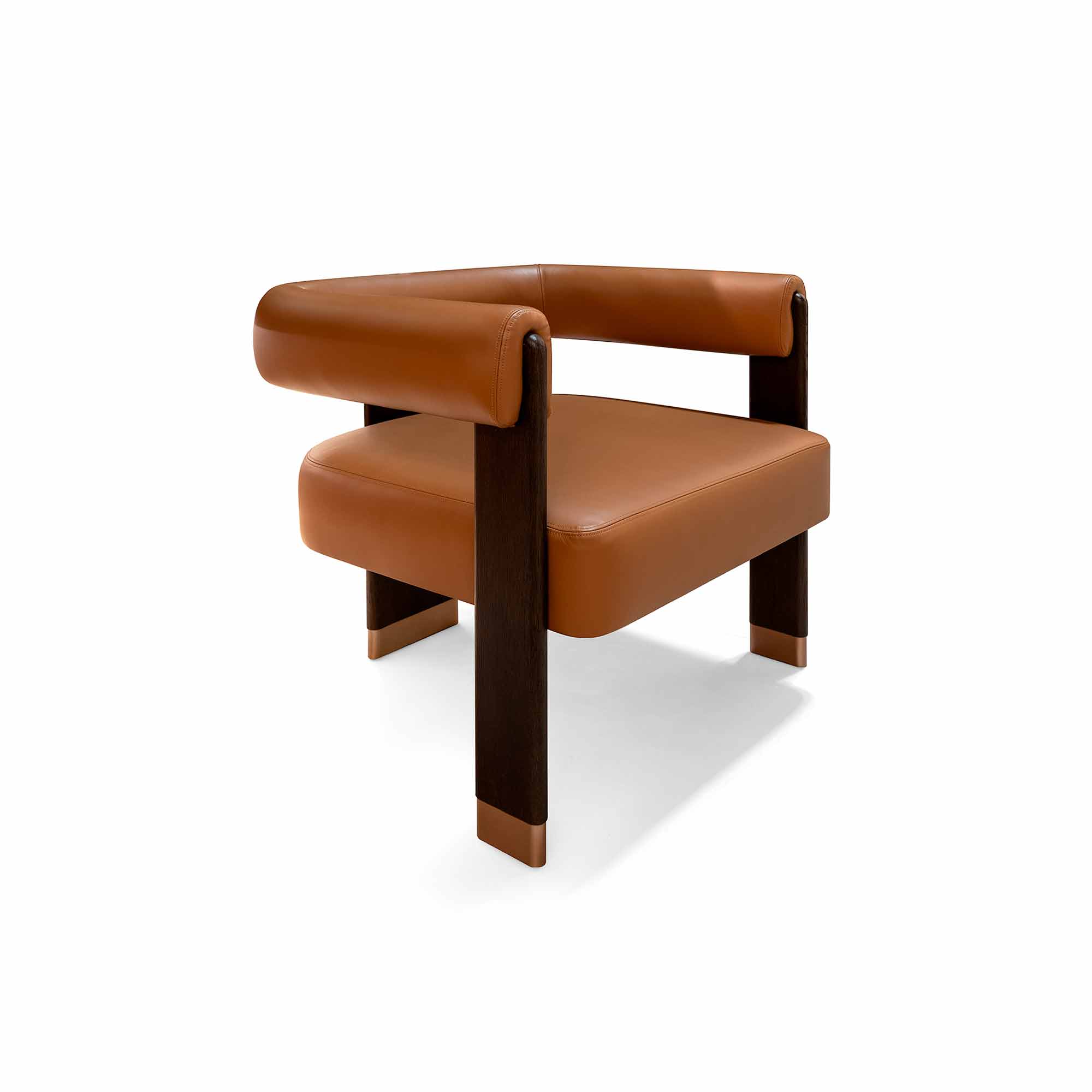
A common mistake is to treat trade and wholesale access as something that begins at the purchase order. In the 101domus model, professionals can engage at four moments: at concept stage, for feasibility verification and cost benchmarking before the design direction is finalised; during FF&E specification, for technical alignment with manufacturers while materials are chosen; at procurement phase, for consolidated multi-brand sourcing; and at production authorization, so that supplier schedules are synchronised with the delivery milestones of the project. A seating plan for a hospitality lobby is a good example: the Galbiati Fratelli Aura Chair and the Francesco Molon Cornice Lounge Armchair are made by different ateliers, so the real question is not which piece is preferable but whether finishes, dimensions and upholstery can be coordinated across both before production starts. Further background on each atelier is available in the Newsroom articles on Galbiati Fratelli and Francesco Molon.
From Drawing Validation to Delivery: What Happens After the Order
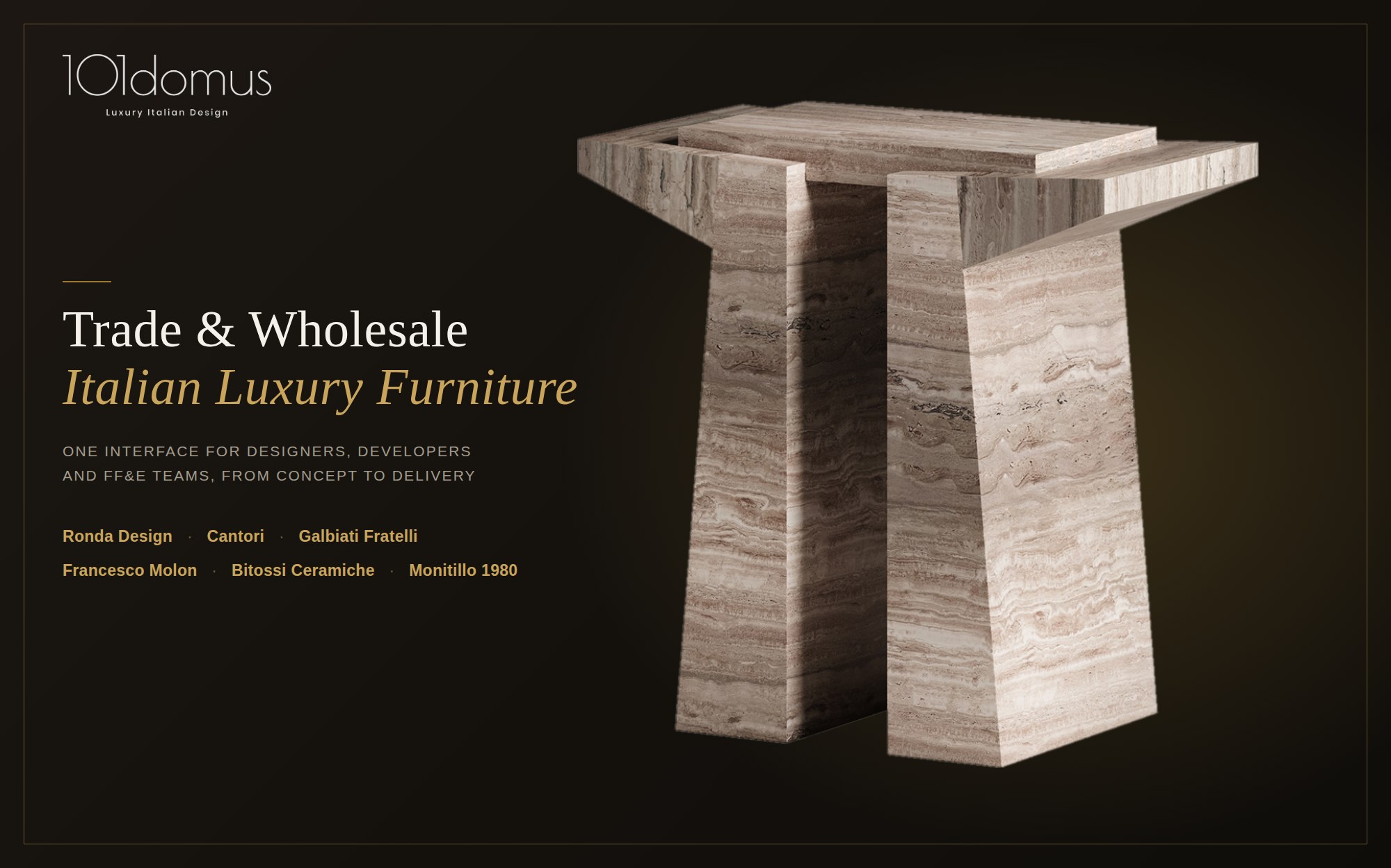
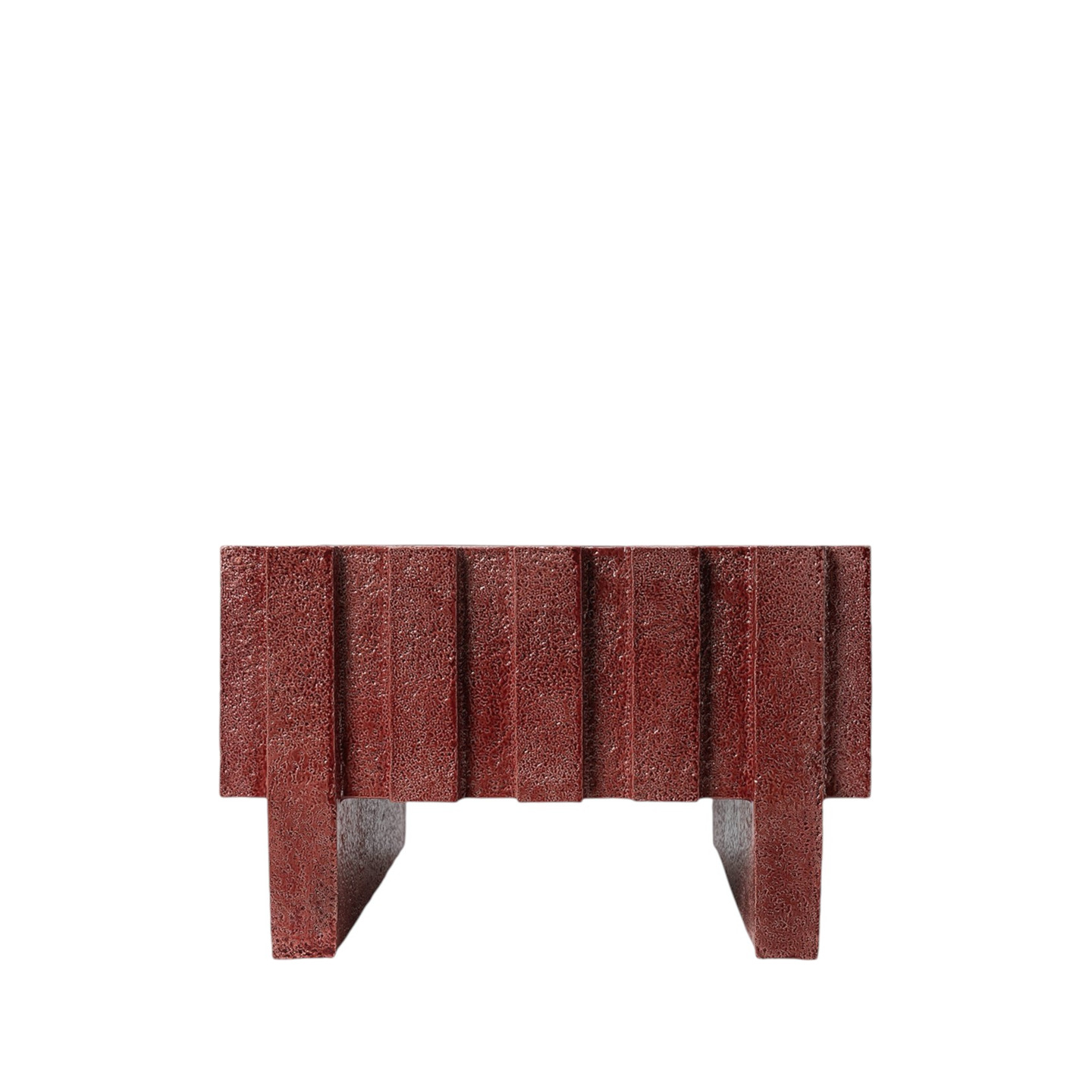
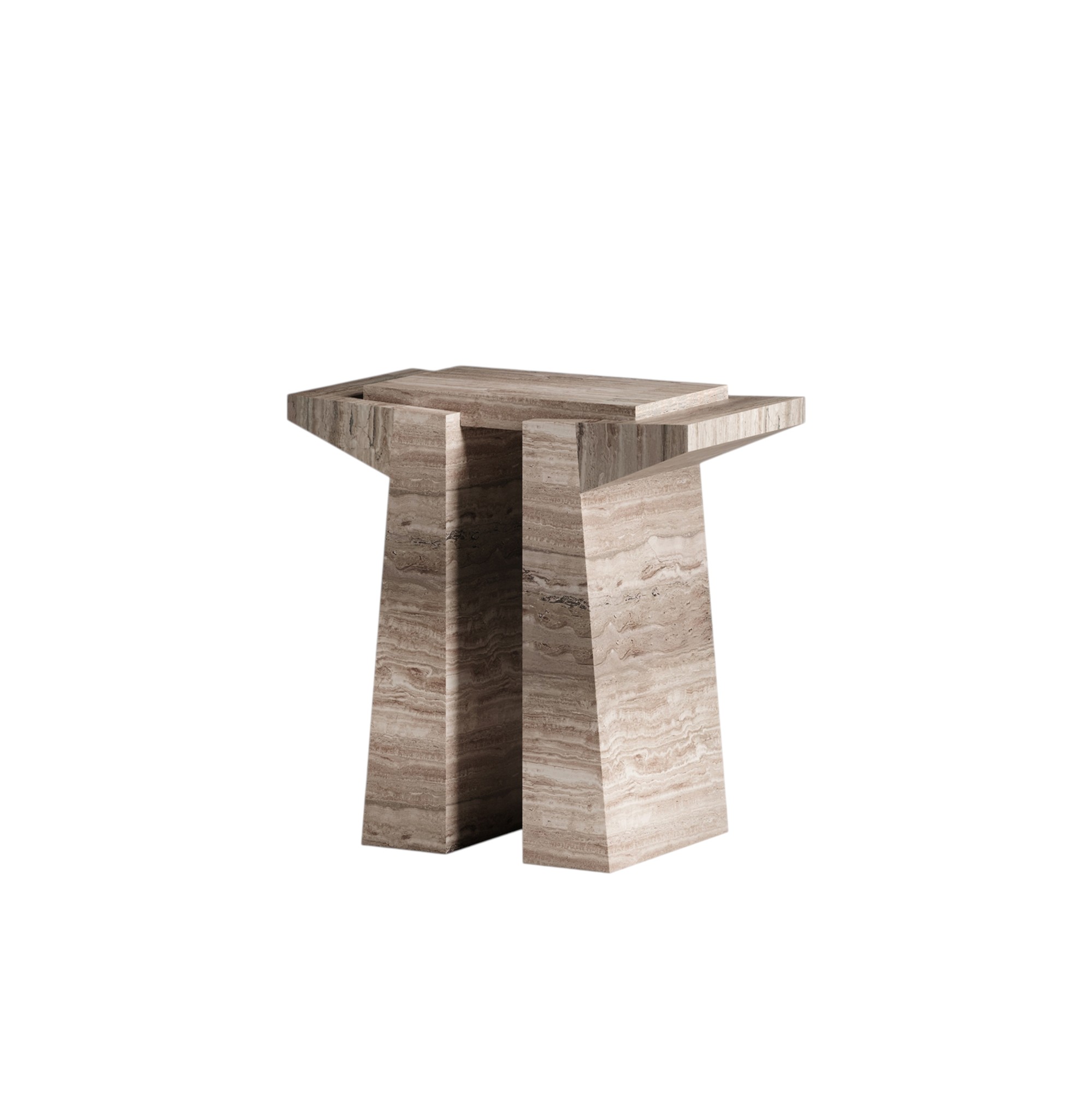
For procurement teams, the value of a coordinated trade model shows after the order is placed. Multi-brand purchasing is consolidated into a single financial interface, with staged milestones, multi-currency transactions and unified contractual terms. Manufacturer timelines are monitored within one schedule, from drawing validation to goods consolidation in Italy and final delivery, with export documentation handled as part of the same flow. A living room built around the Bitossi Ceramiche MERLATE Coffee Table and the Monitillo 1980 TECTON Console illustrates the point: a table from a ceramics house and a console carved in travertine come from different production chains, yet the client receives one coordinated shipment plan rather than two separate ones. This is what an Italian furniture trade program for designers looks like in practice, and it is equally relevant to developers, general contractors and FF&E teams. You can find the broader procurement logic in the Newsroom article on Italian furniture procurement for luxury residential projects.
The useful question behind trade and wholesale for Italian luxury furniture brands is therefore not which brand to buy from, but how many separate relationships a project can afford. Italian ateliers remain the source of the craftsmanship; a coordinated trade structure simply decides whether that craftsmanship arrives as a single, controlled project or as a collection of independent orders.