G. Moscatelli: A Century of Italian Luxury Handcrafted Lighting
G. Moscatelli: A Century of Italian Luxury Handcrafted Lighting
Since 1926, G. Moscatelli Italian luxury handcrafted lighting has translated the classical vocabulary of brass, crystal and wrought iron into chandeliers, wall lamps, ceiling fixtures, lanterns and floor lamps for some of the most demanding residential and hospitality interiors in the world. Working from a family-run workshop in Milan, the maison has assembled an archive of more than 1,400 classical and neoclassical designs, each one modelled, cast in brass, dressed in hand-cut crystal or worked in wrought iron by artisans rather than by machine. For architects, interior designers and FF&E buyers assembling formal reception rooms, private residences, boutique hotels or yacht interiors, G. Moscatelli represents a rare category of supplier: a lighting atelier capable of both bespoke, made-to-measure commissions and the structured, catalogue-based procurement that larger projects require.
A Family Workshop Rooted in Milanese Craftsmanship
The company's history began in 1926, when Dott. Giona Moscatelli opened a modest shop selling electrical materials and crystal in Milan. A business trip to Czechoslovakia introduced him to the country's celebrated crystal chandelier tradition, and the encounter reoriented the young company toward the handcrafted production of luxury lighting. The first official catalogue appeared in 1938, documenting an expanding range of classical fixtures built on brass, iron and crystal. In 1958 the second generation relocated the workshop to a larger Milanese headquarters, a move that supported growing production volumes without displacing the artisanal methods on which the brand had been founded. By 1965, G. Moscatelli had secured one of its most significant early commissions: the lighting for the Presidential Palace in Tunis, a project that demonstrated the brand's capacity to furnish large, representative interiors at an institutional scale. International expansion followed through the 1980s under the direction of the third generation, and today the company is guided by sisters Anna, Paola and Silvia Moscatelli, who continue to oversee a production process built almost entirely on manual brass casting, hand-cut crystal work and wrought iron forging, complemented by a bespoke service for clients requesting custom dimensions, finishes or historical reinterpretations tailored to a specific interior.
Statement Chandeliers for Representative Interiors
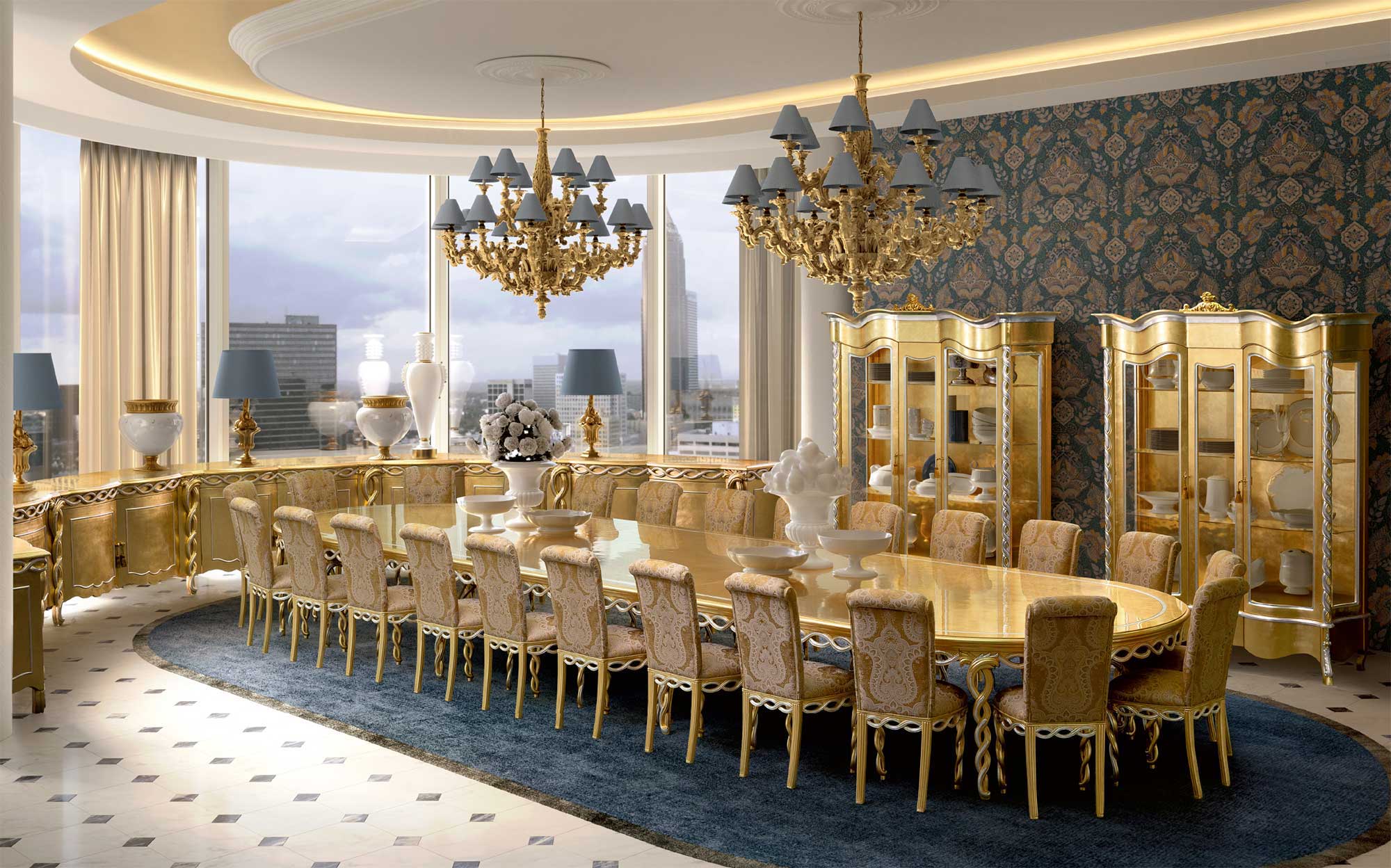
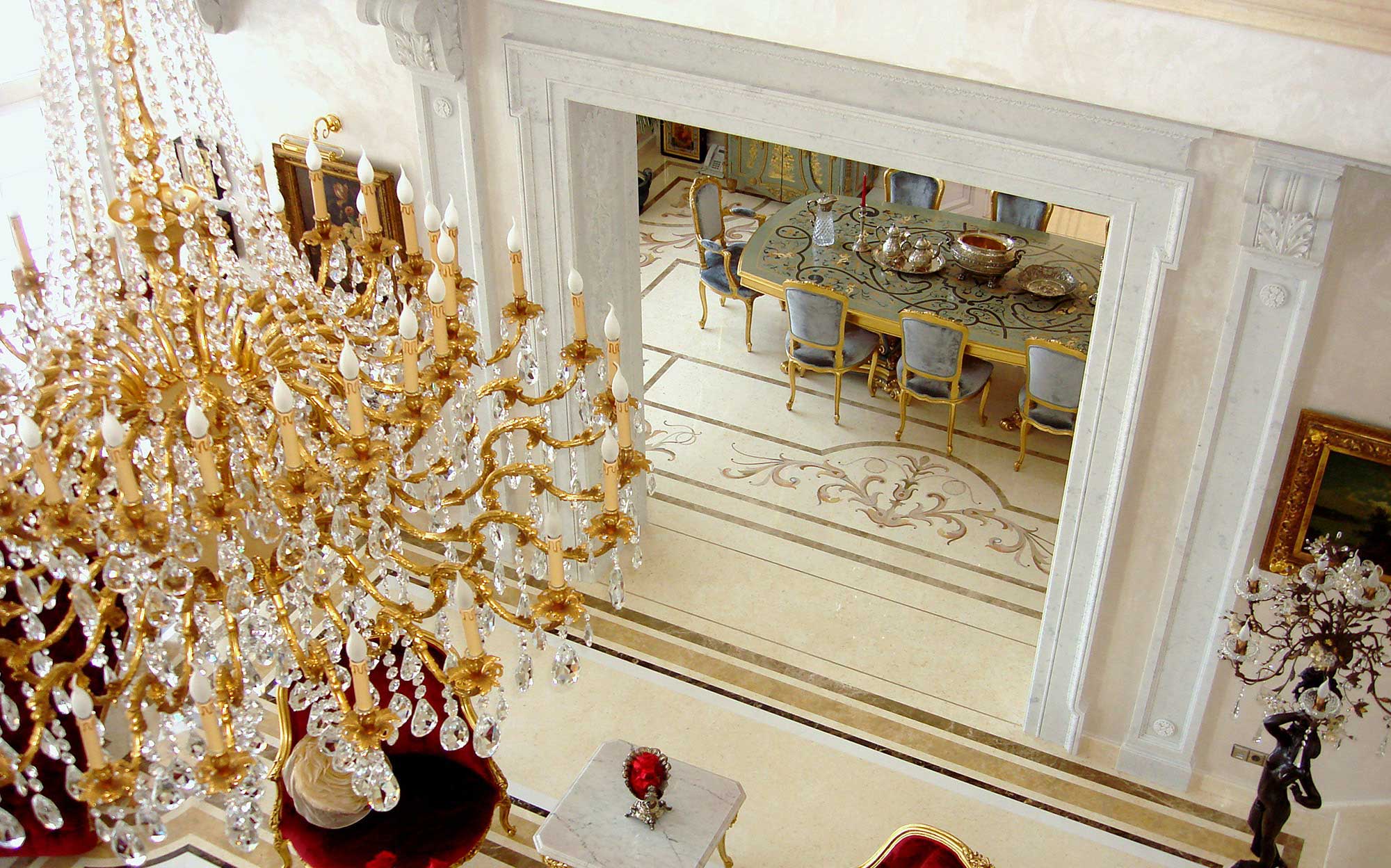
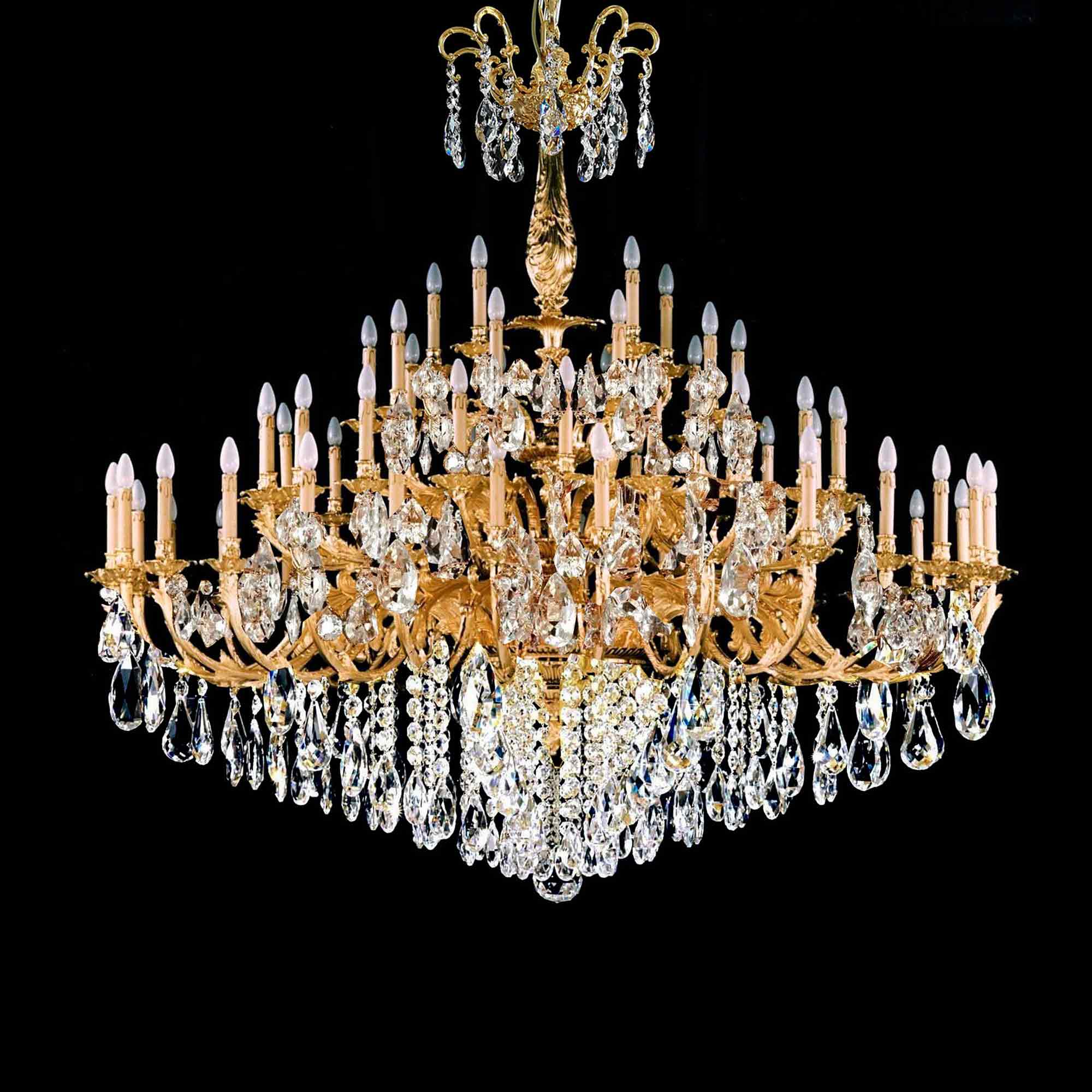
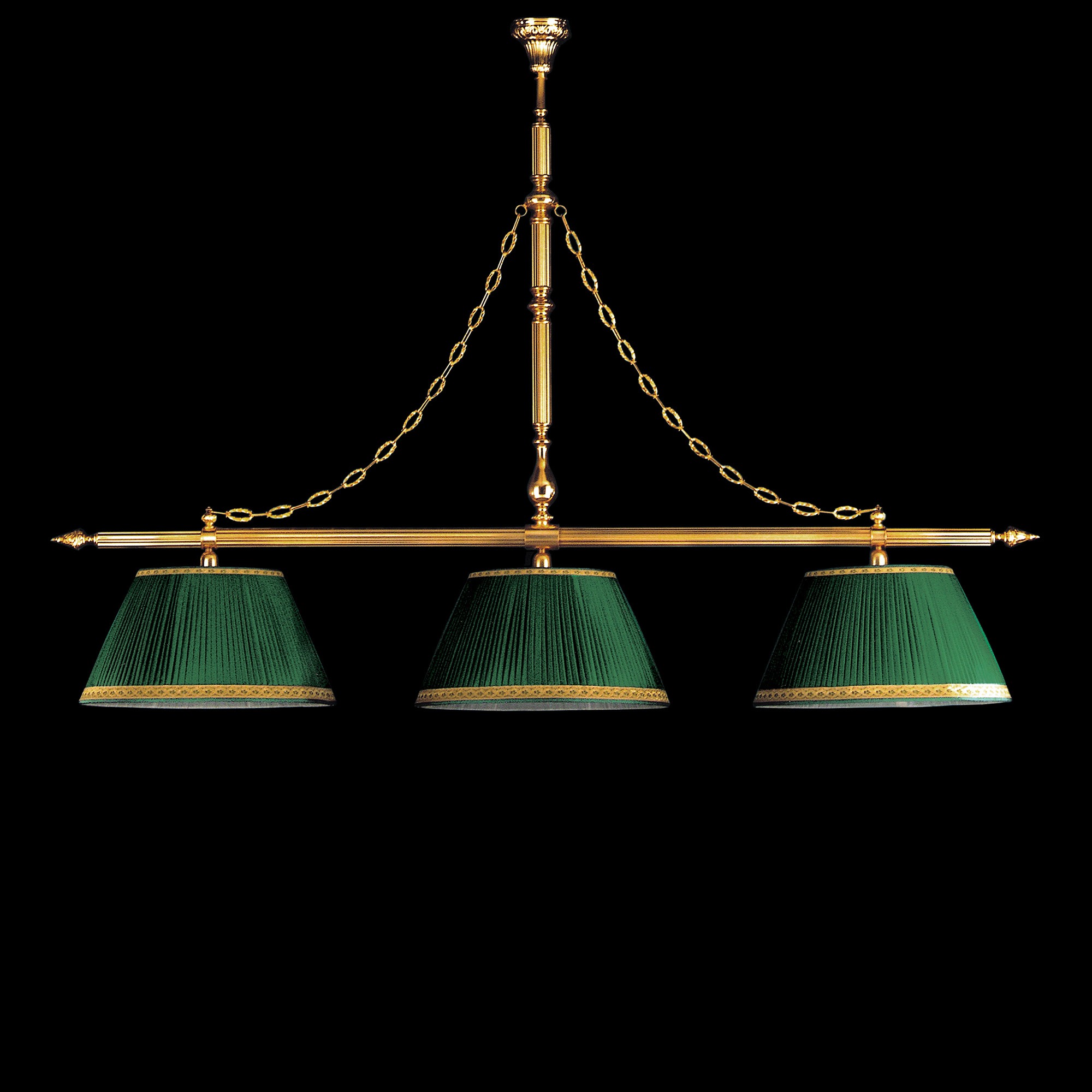
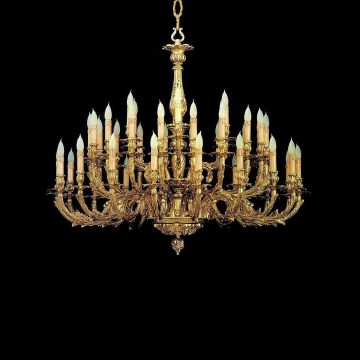
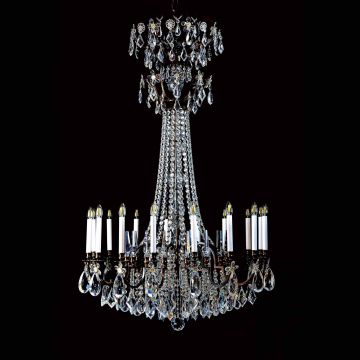
Among the pieces that best express this heritage are the brand's large-scale chandeliers, designed as architectural focal points rather than simple sources of ambient light. The Chandelier 22240 is built at a scale suited to double-height entrance halls, formal dining rooms and ballroom-type spaces, its cascading arms and hand-finished crystal drops designed to hold the geometry of a room together from above. The Billiard Chandelier 22606, by contrast, answers a more specific brief: an elongated fixture designed to run the length of a games table or library reading surface, combining a brass structure with silk-dressed elements that soften the light without diminishing its presence. For interior designers briefing a formal reception space, or for FF&E buyers specifying lighting across multiple suites of a luxury hospitality property, both pieces show how G. Moscatelli treats scale, proportion and finish as functions of a room's intended use rather than decorative afterthoughts.
Selecting Ceiling and Floor Lighting for Luxury Hospitality and Residential Projects
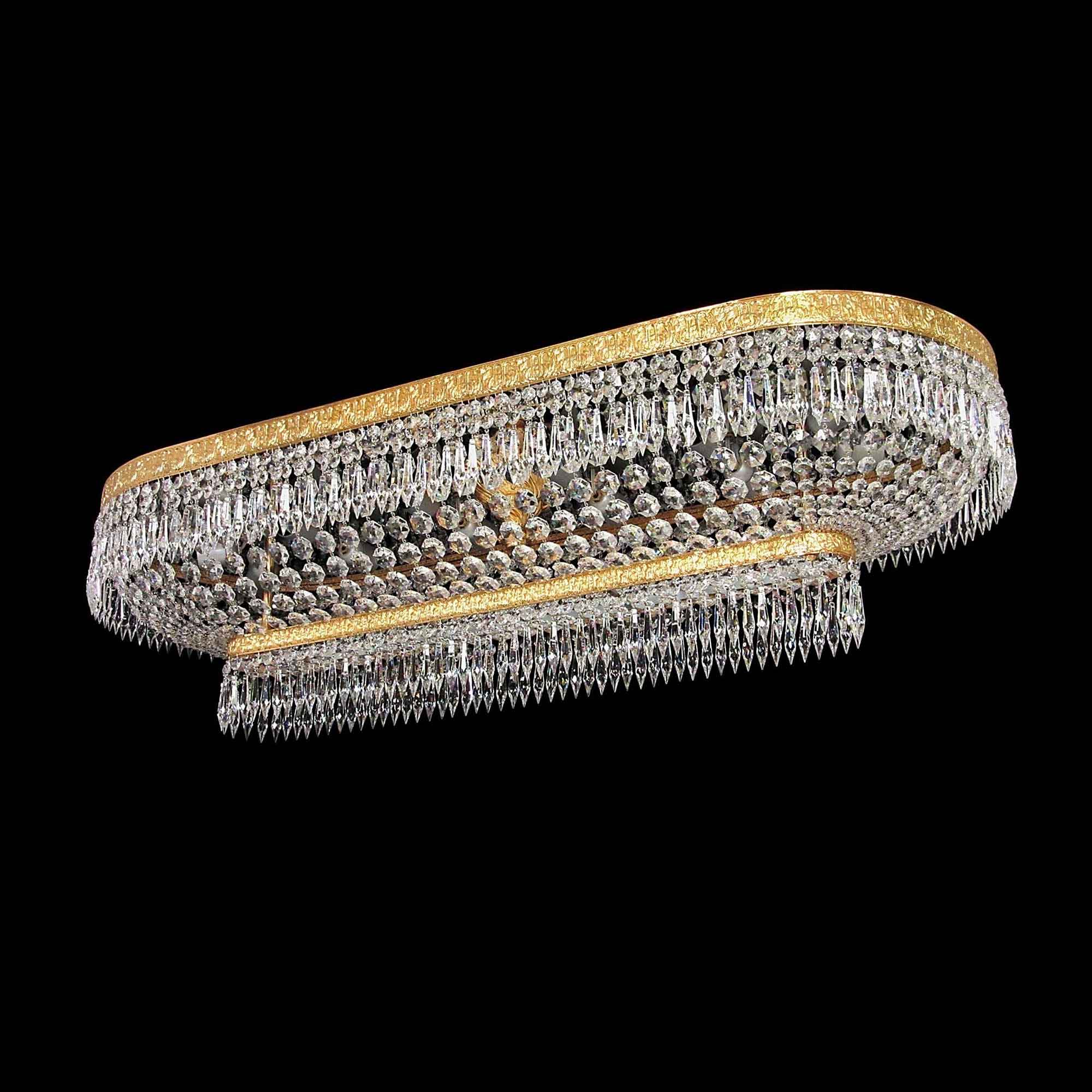
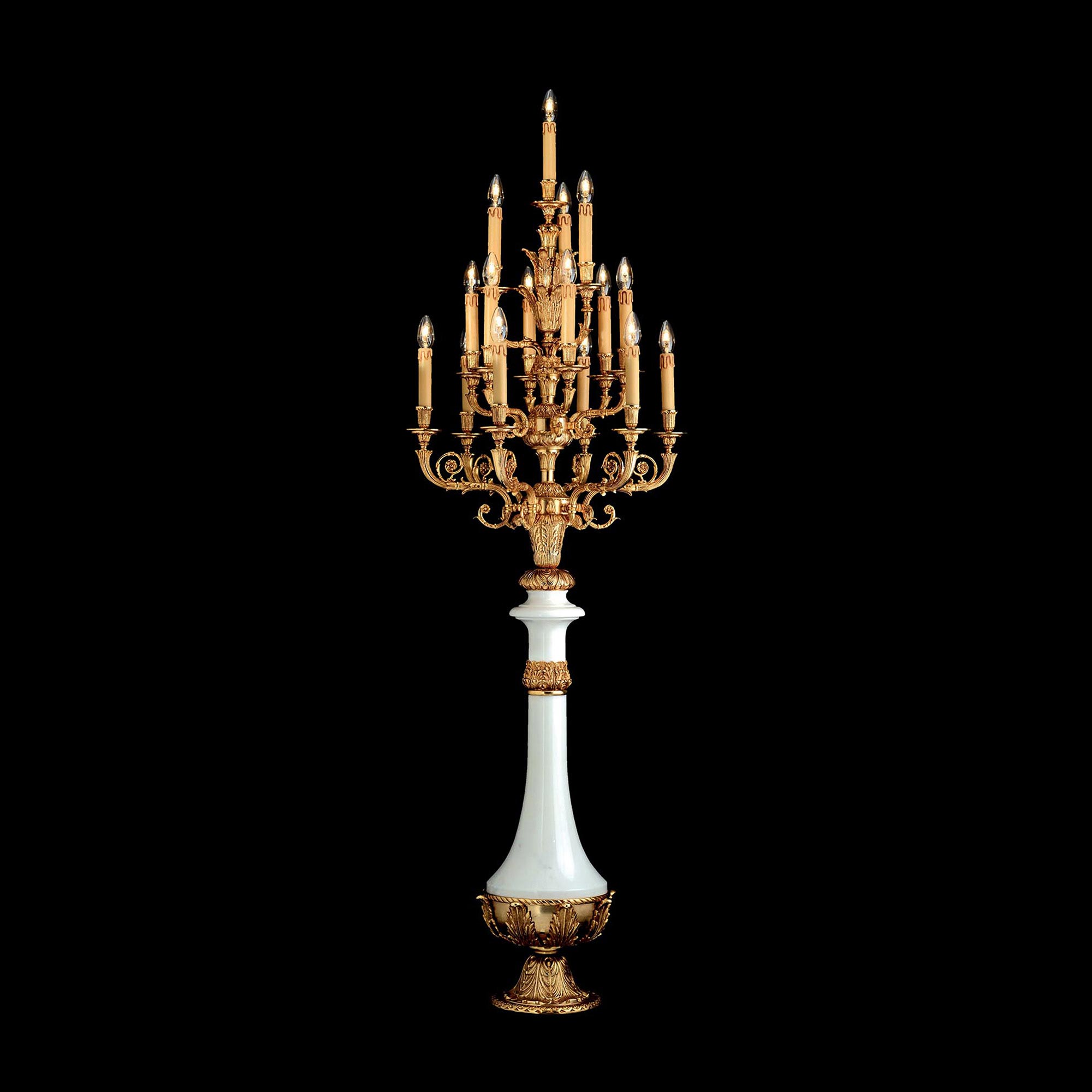
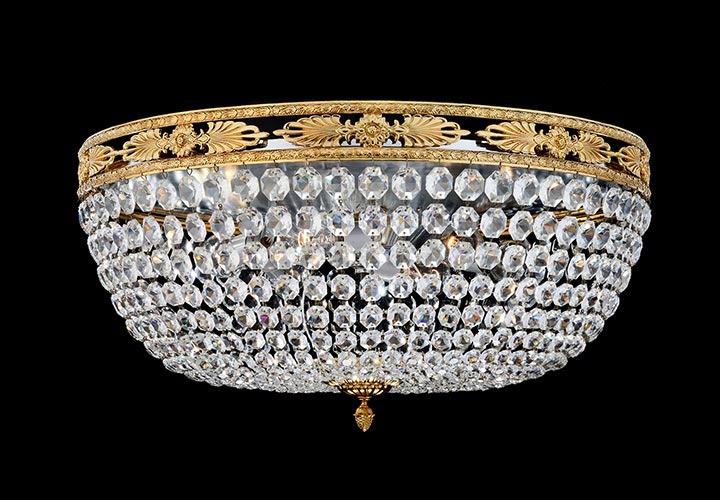
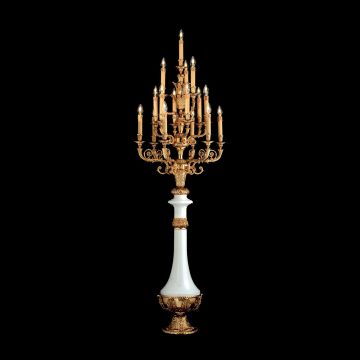
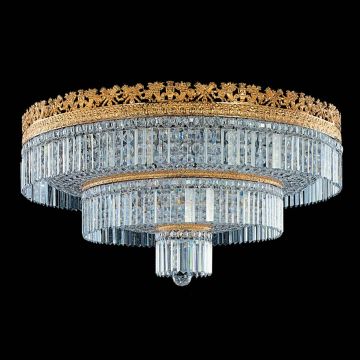
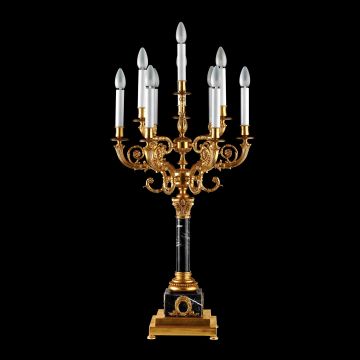
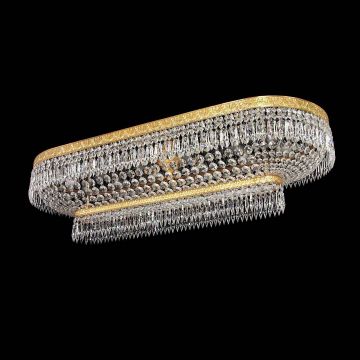
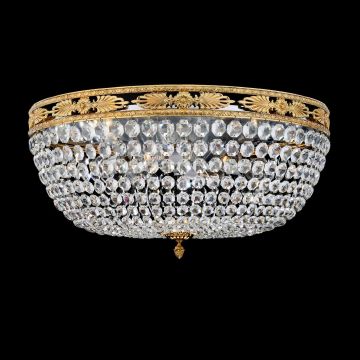
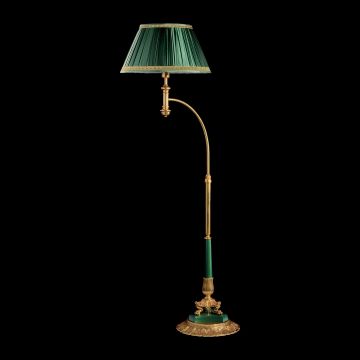
Layering light across a representative interior typically requires more than a single chandelier, and this is where G. Moscatelli's ceiling fixtures and floor lamps become relevant to a wider specification brief. The Empire Ceiling Light 1826 takes its structure from the oval, symmetrical lines associated with the Empire period, offering a lower-profile alternative to a chandelier in rooms with restricted ceiling height, such as corridors, private studies or secondary reception rooms in a boutique hotel. The Floor Lamp 31010 works at the opposite end of a lighting plan, combining marble and gilded bronze into a freestanding piece intended for a reading corner, a hotel suite seating area or the perimeter of a formal living room, where it can supplement ceiling-level illumination without competing with it. For FF&E buyers coordinating procurement across several rooms of a hospitality project, and for interior designers layering light sources within a single residential space, this pairing illustrates a practical principle behind the brand's classical range: consistency of material and detailing across pieces designed for entirely different positions within a room.
Wall Lamps and Lanterns: Italian Luxury Handcrafted Lighting for Classical Spaces
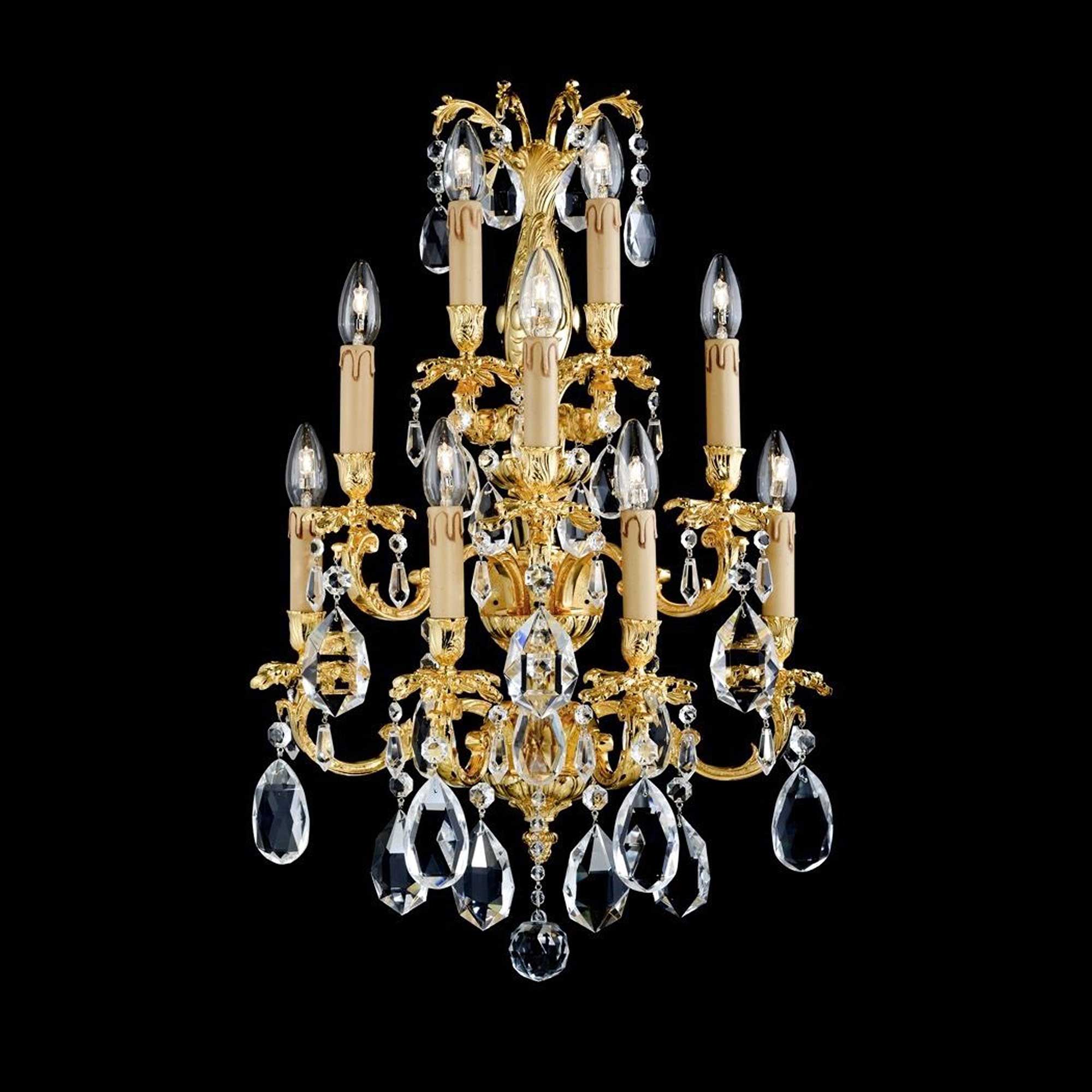
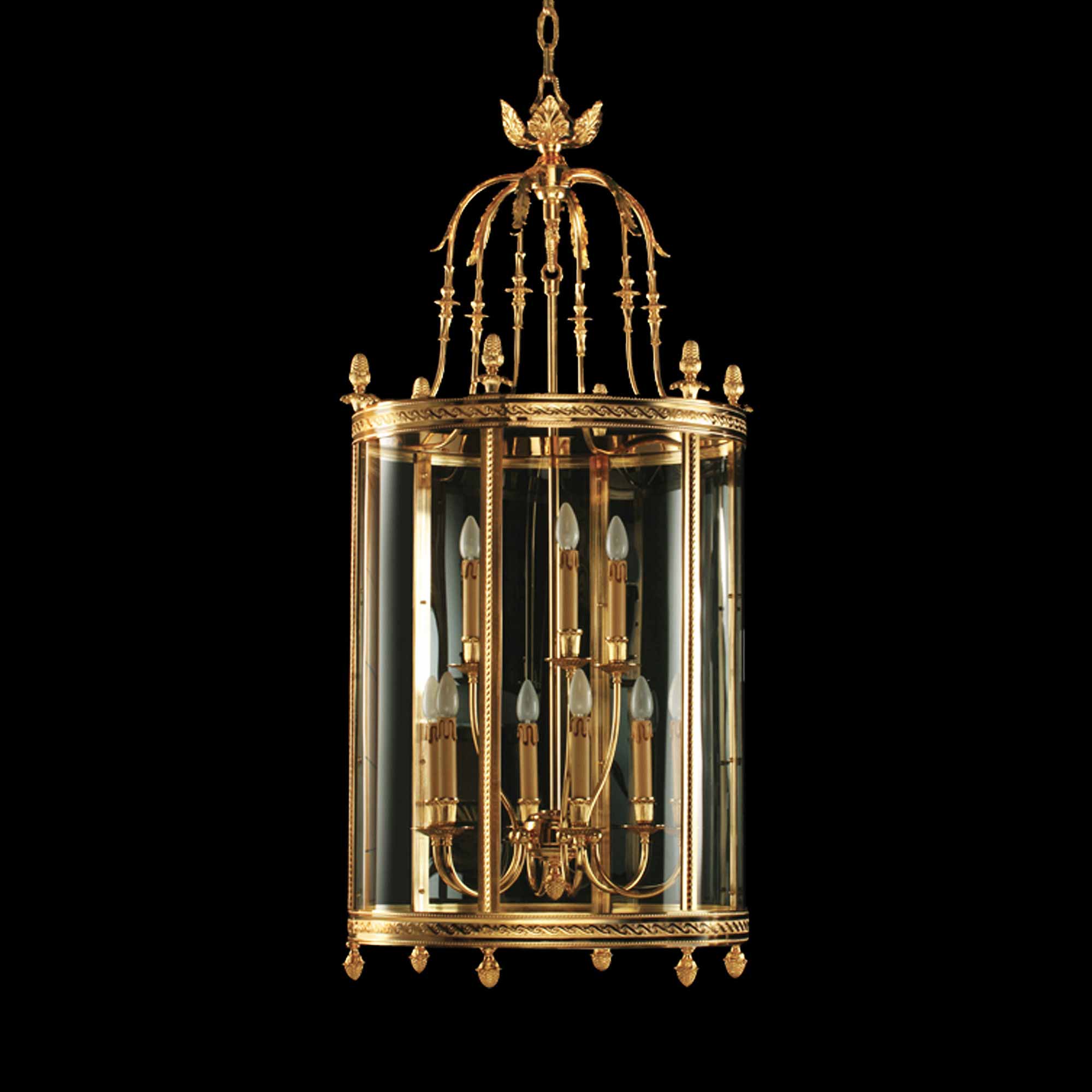
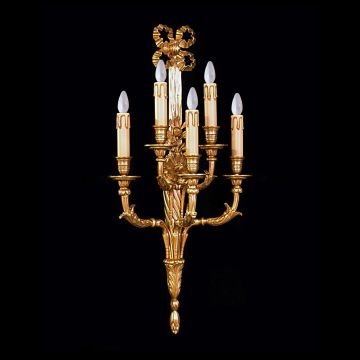
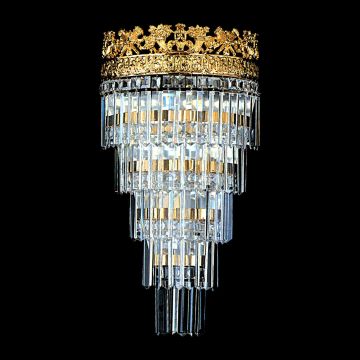
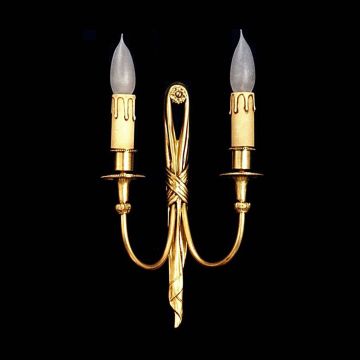
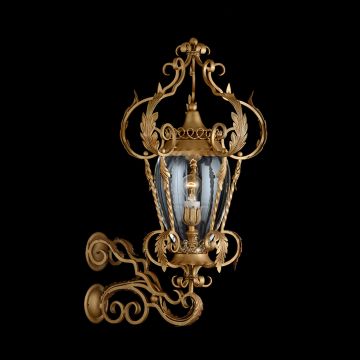
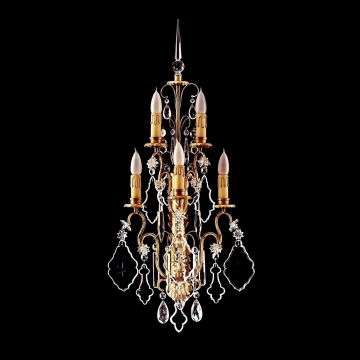
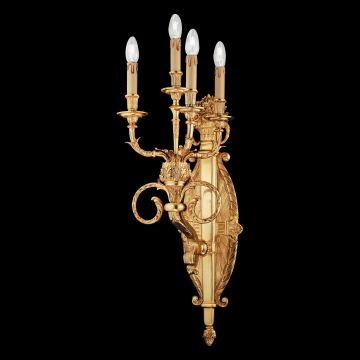
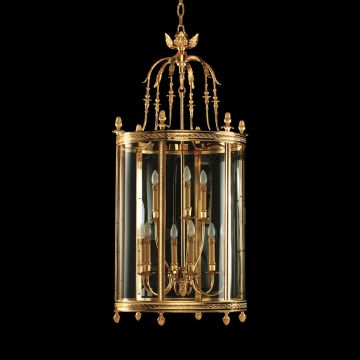
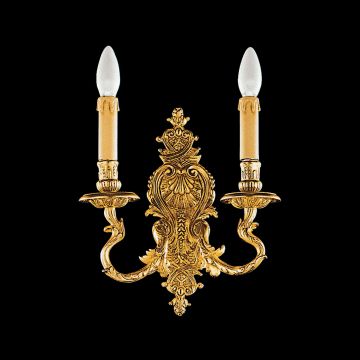
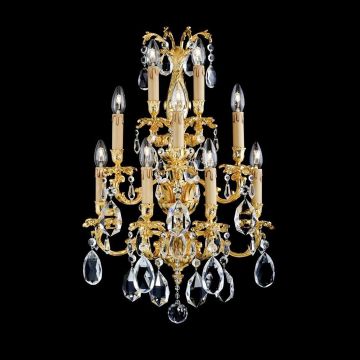
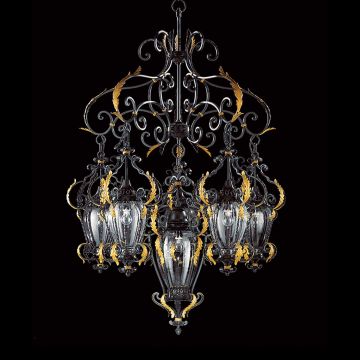
The smaller-scale pieces in the G. Moscatelli catalogue carry the same level of craftsmanship as its chandeliers, applied instead to corridors, staircases, entrance sequences and other transitional spaces within a luxury interior. The Louis XV Wall Lamp 41425 reproduces the ornamental language of the period in brass and cut crystal, finished in 24-karat gold, and is suited to pairs positioned along a staircase or gallery wall where symmetry reinforces the architecture of the space. The Lantern 230, worked in brass in an Empire-inspired silhouette, brings the same handcrafted sensibility to porticoes, covered terraces and entrance halls, spaces where a fixture must read as a piece of architecture in its own right rather than a secondary accessory. Taken together with the brand's chandeliers, ceiling lights and floor lamps, these smaller pieces complete a catalogue built less around individual bestsellers than around a coherent, century-old design language, one that continues to give architects and interior designers a single, dependable source of Italian luxury handcrafted lighting across an entire project brief.
EXPLORE 101DOMUS
NEWSROOM
BRAND RELATED ARTICLES